

视觉理解模型可以根据您传入的图片或视频进行回答,支持单图或多图的输入,适用于图像描述、视觉问答、物体定位等多种任务。
快速开始
您需要先获取与配置 API Key。若通过OpenAI SDK进行调用,需要安装SDK。 以下示例演示了如何调用模型描述图像内容。关于本地文件和图像限制的说明,请参见如何传入本地文件、图像限制章节。- OpenAI兼容
- DashScope
- Python
- Node.js
- Java
- curl
import os
from openai import OpenAI
client = OpenAI(
# 若没有配置环境变量,请用阿里云百炼API Key将下行替换为:api_key="sk-xxx",
# 各地域的API Key不同。获取API Key:https://help.aliyun.com/zh/model-studio/get-api-key
api_key=os.getenv("DASHSCOPE_API_KEY"),
# 以下为华北2(北京)地域的URL,调用时请将 {WorkspaceId} 替换为真实的业务空间ID,各地域的URL不同。
base_url="https://{WorkspaceId}.cn-beijing.maas.aliyuncs.com/compatible-mode/v1",
)
completion = client.chat.completions.create(
model="qwen3.8-max", # 此处以qwen3.8-max为例,可按需更换模型名称。模型列表:https://help.aliyun.com/zh/model-studio/models
messages=[
{
"role": "user",
"content": [
{
"type": "image_url",
"image_url": {
"url": "https://help-static-aliyun-doc.aliyuncs.com/file-manage-files/zh-CN/20241022/emyrja/dog_and_girl.jpeg"
},
},
{"type": "text", "text": "图中描绘的是什么景象?"},
],
},
],
)
print(completion.choices[0].message.content)
返回结果
这是一张在海滩上拍摄的照片。照片中,一个人和一只狗坐在沙滩上,背景是大海和天空。人和狗似乎在互动,狗的前爪搭在人的手上。阳光从画面的右侧照射过来,给整个场景增添了一种温暖的氛围。
import OpenAI from "openai";
const openai = new OpenAI({
// 若没有配置环境变量,请用百炼API Key将下行替换为:apiKey: "sk-xxx"
// 各地域的API Key不同。获取API Key:https://help.aliyun.com/zh/model-studio/get-api-key
apiKey: process.env.DASHSCOPE_API_KEY,
// 以下为华北2(北京)地域的URL,调用时请将 {WorkspaceId} 替换为真实的业务空间ID,各地域的URL不同。
baseURL: "https://{WorkspaceId}.cn-beijing.maas.aliyuncs.com/compatible-mode/v1"
});
async function main() {
const response = await openai.chat.completions.create({
model: "qwen3.8-max", // 此处以qwen3.8-max为例,可按需更换模型名称。模型列表:https://help.aliyun.com/zh/model-studio/models
messages: [
{
role: "user",
content: [{
type: "image_url",
image_url: {
"url": "https://help-static-aliyun-doc.aliyuncs.com/file-manage-files/zh-CN/20241022/emyrja/dog_and_girl.jpeg"
}
},
{
type: "text",
text: "图中描绘的是什么景象?"
}
]
}
]
});
console.log(response.choices[0].message.content);
}
main()
返回结果
这是一张在海滩上拍摄的照片。照片中,一个人和一只狗坐在沙滩上,背景是大海和天空。人和狗似乎在互动,狗的前爪搭在人的手上。阳光从画面的右侧照射过来,给整个场景增添了一种温暖的氛围。
import com.openai.client.OpenAIClient;
import com.openai.client.okhttp.OpenAIOkHttpClient;
import com.openai.core.http.StreamResponse;
import com.openai.models.chat.completions.*;
import java.util.List;
public class Main {
public static void main(String[] args) {
// 创建客户端,使用环境变量中的API密钥
OpenAIClient client = OpenAIOkHttpClient.builder()
// 若没有配置环境变量,请用百炼API Key将下行替换为:.apiKey("sk-xxx")
// 各地域的API Key不同。获取API Key:https://help.aliyun.com/zh/model-studio/get-api-key
.apiKey(System.getenv("DASHSCOPE_API_KEY"))
// 以下为华北2(北京)地域的URL,调用时请将 {WorkspaceId} 替换为真实的业务空间ID,各地域的URL不同。
.baseUrl("https://{WorkspaceId}.cn-beijing.maas.aliyuncs.com/compatible-mode/v1")
.build();
// 构造多模态消息内容:图片 + 文本
ChatCompletionContentPart imagePart = ChatCompletionContentPart.ofImageUrl(
ChatCompletionContentPartImage.builder()
.imageUrl(ChatCompletionContentPartImage.ImageUrl.builder()
.url("https://help-static-aliyun-doc.aliyuncs.com/file-manage-files/zh-CN/20241022/emyrja/dog_and_girl.jpeg")
.build())
.build());
ChatCompletionContentPart textPart = ChatCompletionContentPart.ofText(
ChatCompletionContentPartText.builder()
.text("图中描绘的是什么景象?")
.build());
// 创建聊天请求
ChatCompletionCreateParams chatParams = ChatCompletionCreateParams.builder()
// 此处以qwen3.8-max为例,可按需更换模型名称。模型列表:https://help.aliyun.com/zh/model-studio/models
.model("qwen3.8-max")
.addUserMessageOfArrayOfContentParts(List.of(imagePart, textPart))
.build();
StringBuilder fullResponse = new StringBuilder();
// 所有代码示例均采用流式输出,以清晰和直观地展示模型输出过程。如果您希望查看非流式输出的案例,请参见https://help.aliyun.com/zh/model-studio/text-generation
try (StreamResponse<ChatCompletionChunk> streamResponse = client.chat().completions().createStreaming(chatParams)) {
streamResponse.stream().forEach(chunk -> {
System.out.println(chunk);
String content = chunk.choices().get(0).delta().content().orElse("");
if (!content.isEmpty()) {
fullResponse.append(content);
}
});
System.out.println(fullResponse);
} catch (Exception e) {
System.err.println("错误信息:" + e.getMessage());
System.err.println("请参考文档:https://help.aliyun.com/zh/model-studio/developer-reference/error-code");
}
}
}
返回结果
这是一张在海滩上拍摄的照片。照片中,一个人和一只狗坐在沙滩上,背景是大海和天空。人和狗似乎在互动,狗的前爪搭在人的手上。阳光从画面的右侧照射过来,给整个场景增添了一种温暖的氛围。
# ======= 重要提示 =======
# 各地域的API Key不同。获取API Key:https://help.aliyun.com/zh/model-studio/get-api-key
# 以下为华北2(北京)地域的URL,调用时请将 {WorkspaceId} 替换为真实的业务空间ID,各地域的URL不同。
# === 执行时请删除该注释 ===
curl --location 'https://{WorkspaceId}.cn-beijing.maas.aliyuncs.com/compatible-mode/v1/chat/completions' \
--header "Authorization: Bearer $DASHSCOPE_API_KEY" \
--header 'Content-Type: application/json' \
--data '{
"model": "qwen3.8-max",
"messages": [
{
"role": "user",
"content": [
{"type": "image_url", "image_url": {"url": "https://help-static-aliyun-doc.aliyuncs.com/file-manage-files/zh-CN/20241022/emyrja/dog_and_girl.jpeg"}},
{"type": "text", "text": "图中描绘的是什么景象?"}
]
}]
}'
返回结果
{
"choices": [
{
"message": {
"content": "这是一张在海滩上拍摄的照片。照片中,一个人和一只狗坐在沙滩上,背景是大海和天空。人和狗似乎在互动,狗的前爪搭在人的手上。阳光从画面的右侧照射过来,给整个场景增添了一种温暖的氛围。",
"role": "assistant"
},
"finish_reason": "stop",
"index": 0,
"logprobs": null
}
],
"object": "chat.completion",
"usage": {
"prompt_tokens": 1270,
"completion_tokens": 54,
"total_tokens": 1324
},
"created": 1725948561,
"system_fingerprint": null,
"model": "qwen3.8-max",
"id": "chatcmpl-0fd66f46-b09e-9164-a84f-3ebbbedbac15"
}
- Python
- Java
- curl
- dashscope CLI
import os
import dashscope
# 以下为华北2(北京)地域的URL,调用时请将 {WorkspaceId} 替换为真实的业务空间ID,各地域的URL不同。
dashscope.base_http_api_url = "https://{WorkspaceId}.cn-beijing.maas.aliyuncs.com/api/v1"
messages = [
{
"role": "user",
"content": [
{"image": "https://help-static-aliyun-doc.aliyuncs.com/file-manage-files/zh-CN/20241022/emyrja/dog_and_girl.jpeg"},
{"text": "图中描绘的是什么景象?"}]
}]
response = dashscope.MultiModalConversation.call(
# 若没有配置环境变量, 请用百炼API Key将下行替换为: api_key ="sk-xxx"
# 各地域的API Key不同。获取API Key:https://help.aliyun.com/zh/model-studio/get-api-key
api_key = os.getenv('DASHSCOPE_API_KEY'),
model = 'qwen3.7-plus', # 此处以qwen3.7-plus为例,可按需更换模型名称。模型列表:https://help.aliyun.com/zh/model-studio/models
messages = messages
)
print(response.output.choices[0].message.content[0]["text"])
返回结果
是一张在海滩上拍摄的照片。照片中有一位女士和一只狗。女士坐在沙滩上,微笑着与狗互动。狗戴着项圈,似乎在与女士握手。背景是大海和天空,阳光洒在她们身上,营造出温馨的氛围。
import java.util.Arrays;
import java.util.Collections;
import com.alibaba.dashscope.aigc.multimodalconversation.MultiModalConversation;
import com.alibaba.dashscope.aigc.multimodalconversation.MultiModalConversationParam;
import com.alibaba.dashscope.aigc.multimodalconversation.MultiModalConversationResult;
import com.alibaba.dashscope.common.MultiModalMessage;
import com.alibaba.dashscope.common.Role;
import com.alibaba.dashscope.exception.ApiException;
import com.alibaba.dashscope.exception.NoApiKeyException;
import com.alibaba.dashscope.exception.UploadFileException;
import com.alibaba.dashscope.utils.JsonUtils;
import com.alibaba.dashscope.utils.Constants;
public class Main {
// 以下为华北2(北京)地域的URL,调用时请将 {WorkspaceId} 替换为真实的业务空间ID,各地域的URL不同。
static {Constants.baseHttpApiUrl="https://{WorkspaceId}.cn-beijing.maas.aliyuncs.com/api/v1";}
public static void simpleMultiModalConversationCall()
throws ApiException, NoApiKeyException, UploadFileException {
MultiModalConversation conv = new MultiModalConversation();
MultiModalMessage userMessage = MultiModalMessage.builder().role(Role.USER.getValue())
.content(Arrays.asList(
Collections.singletonMap("image", "https://help-static-aliyun-doc.aliyuncs.com/file-manage-files/zh-CN/20241022/emyrja/dog_and_girl.jpeg"),
Collections.singletonMap("text", "图中描绘的是什么景象?"))).build();
MultiModalConversationParam param = MultiModalConversationParam.builder()
// 若没有配置环境变量,请用百炼API Key将下行替换为:.apiKey("sk-xxx")
// 各地域的API Key不同。获取API Key:https://help.aliyun.com/zh/model-studio/get-api-key
.apiKey(System.getenv("DASHSCOPE_API_KEY"))
.model("qwen3.8-max") // 此处以qwen3.8-max为例,可按需更换模型名称。模型列表:https://help.aliyun.com/zh/model-studio/models
.messages(Arrays.asList(userMessage))
.build();
MultiModalConversationResult result = conv.call(param);
System.out.println(result.getOutput().getChoices().get(0).getMessage().getContent().get(0).get("text"));
}
public static void main(String[] args) {
try {
simpleMultiModalConversationCall();
} catch (ApiException | NoApiKeyException | UploadFileException e) {
System.out.println(e.getMessage());
}
System.exit(0);
}
}
返回结果
这是一张在海滩上拍摄的照片。照片中有一个穿着格子衬衫的人和一只戴着项圈的狗。人和狗面对面坐着,似乎在互动。背景是大海和天空,阳光洒在他们身上,营造出温暖的氛围。
# ======= 重要提示 =======
# 各地域的API Key不同。获取API Key:https://help.aliyun.com/zh/model-studio/get-api-key
# 以下为华北2(北京)地域的URL,调用时请将 {WorkspaceId} 替换为真实的业务空间ID,各地域的URL不同。
# === 执行时请删除该注释 ===
curl -X POST https://{WorkspaceId}.cn-beijing.maas.aliyuncs.com/api/v1/services/aigc/multimodal-generation/generation \
-H "Authorization: Bearer $DASHSCOPE_API_KEY" \
-H 'Content-Type: application/json' \
-d '{
"model": "qwen3.8-max",
"input":{
"messages":[
{
"role": "user",
"content": [
{"image": "https://help-static-aliyun-doc.aliyuncs.com/file-manage-files/zh-CN/20241022/emyrja/dog_and_girl.jpeg"},
{"text": "图中描绘的是什么景象?"}
]
}
]
}
}'
返回结果
{
"output": {
"choices": [
{
"finish_reason": "stop",
"message": {
"role": "assistant",
"content": [
{
"text": "这是一张在海滩上拍摄的照片。照片中有一个穿着格子衬衫的人和一只戴着项圈的狗。他们坐在沙滩上,背景是大海和天空。阳光从画面的右侧照射过来,给整个场景增添了一种温暖的氛围。"
}
]
}
}
]
},
"usage": {
"output_tokens": 55,
"input_tokens": 1271,
"image_tokens": 1247
},
"request_id": "ccf845a3-dc33-9cda-b581-20fe7dc23f70"
}
export DASHSCOPE_API_KEY="your-api-key"
# 将 {WorkspaceId} 替换为业务空间ID,cn-beijing 替换为对应地域(新加坡: ap-southeast-1, 美东: us-east-1)
export DASHSCOPE_HTTP_BASE_URL="https://{WorkspaceId}.cn-beijing.maas.aliyuncs.com/api/v1"
dashscope multimodal-conversation create -m qwen3-vl-plus -t "你好"
模型效果
图像问答
描述图像中的内容或者对其进行分类打标,如识别人物、地点、动植物等。 如果太阳很刺眼,我应该用这张图中的什么物品? | 当太阳很刺眼时,你应该使用图中的粉色太阳镜。太阳镜可以有效阻挡强光、减少紫外线对眼睛的伤害,帮助你在阳光强烈时保护视力并提升视觉舒适度。 |
|---|
创意写作
根据图片或视频内容生成生动的文字描述,适用于故事创作、文案撰写、短视频脚本等创意场景。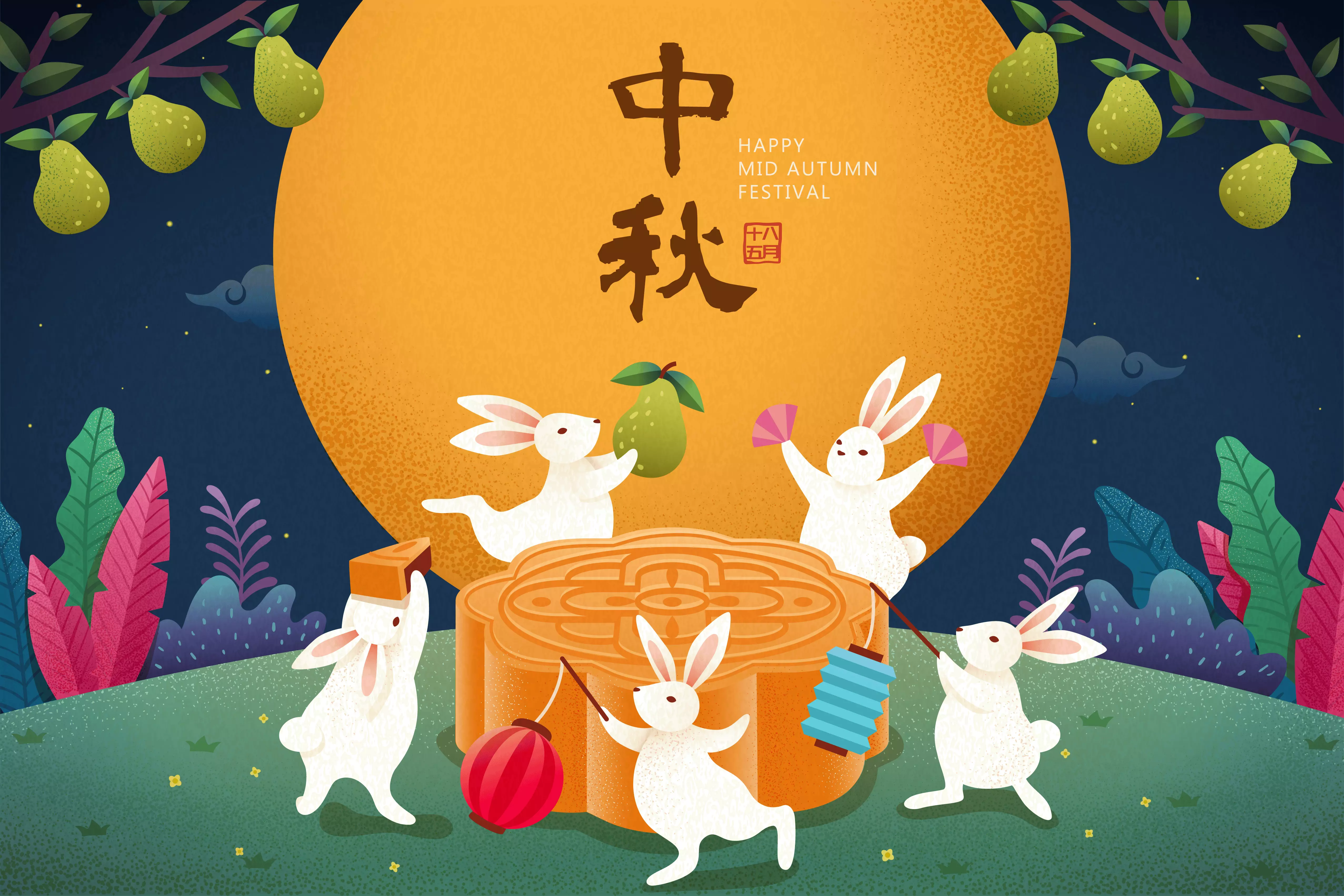 请根据图片内容,帮我写一段有意思的朋友圈文案。 | 好的,这张图片充满了浓郁的中秋节日氛围,古典与现代元素结合得非常巧妙。根据图片中的主要元素,我为你准备了几个不同风格的朋友圈文案,你可以根据自己的喜好选择。 诗意唯美风 今夜月明人尽望,不知秋思落谁家。嫦娥奔月,玉兔捣药,古人的浪漫在今夜被点亮。愿这轮明月,能照亮你回家的路,也能寄去我最深的思念。中秋节快乐! 温馨祝福风 月圆人团圆,中秋夜最温柔。看烟花绽放,赏圆月当空,吃一口月饼,道一声安康。愿你我心中所念,皆能如愿以偿。祝大家中秋快乐,阖家幸福! |
文字识别与信息抽取
识别图像中的文字、公式或抽取票据、证件、表单中的信息,支持格式化输出文本。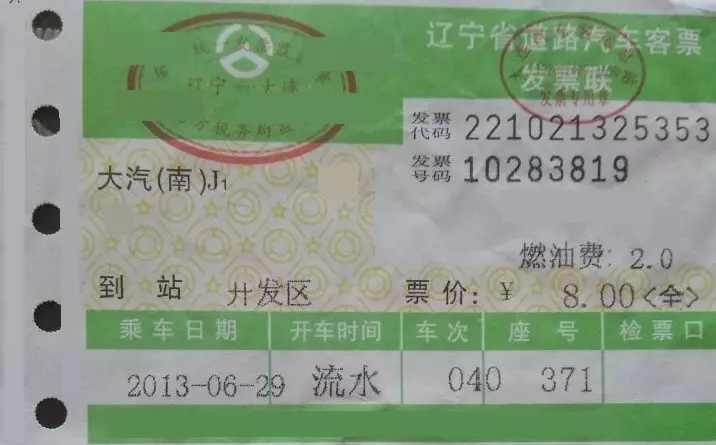 提取图中的:['发票代码','发票号码','到站','燃油费','票价','乘车日期','开车时间','车次','座号'],请你以JSON格式输出。 | { "发票代码": "221021325353", "发票号码": "10283819", "到站": "开发区", "燃油费": "2.0", "票价": "8.00<全>", "乘车日期": "2013-06-29", "开车时间": "流水", "车次": "040", "座号": "371" } |
多学科题目解答
解答图像中的数学、物理、化学等问题,适用于中小学、大学以及成人教育阶段。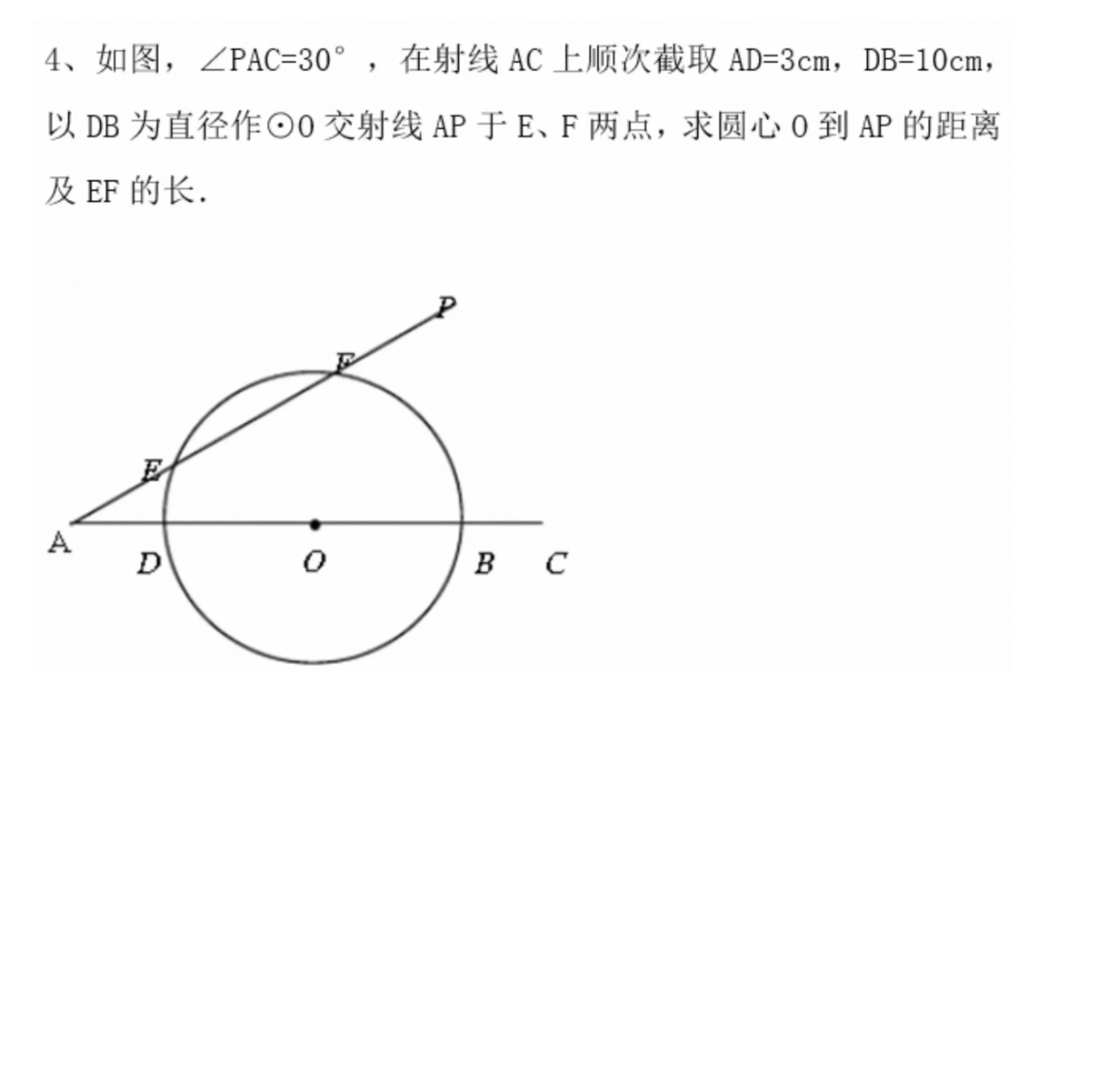 请你分步骤解答图中的数学题。 | 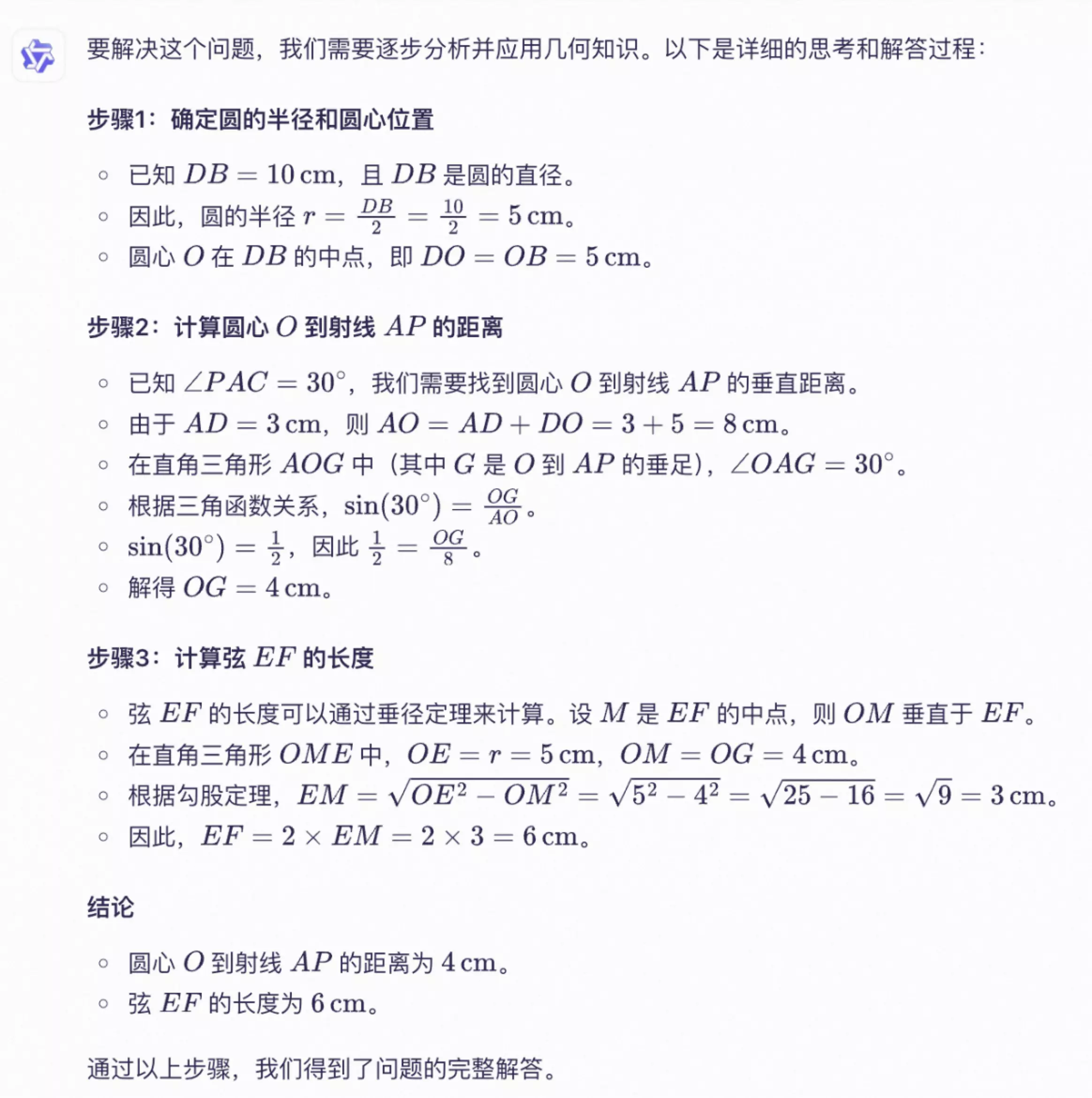 |
|---|
视觉编程
可通过图像或视频生成代码,可用于将设计图、网站截图等生成HTML、CSS、JS 代码。
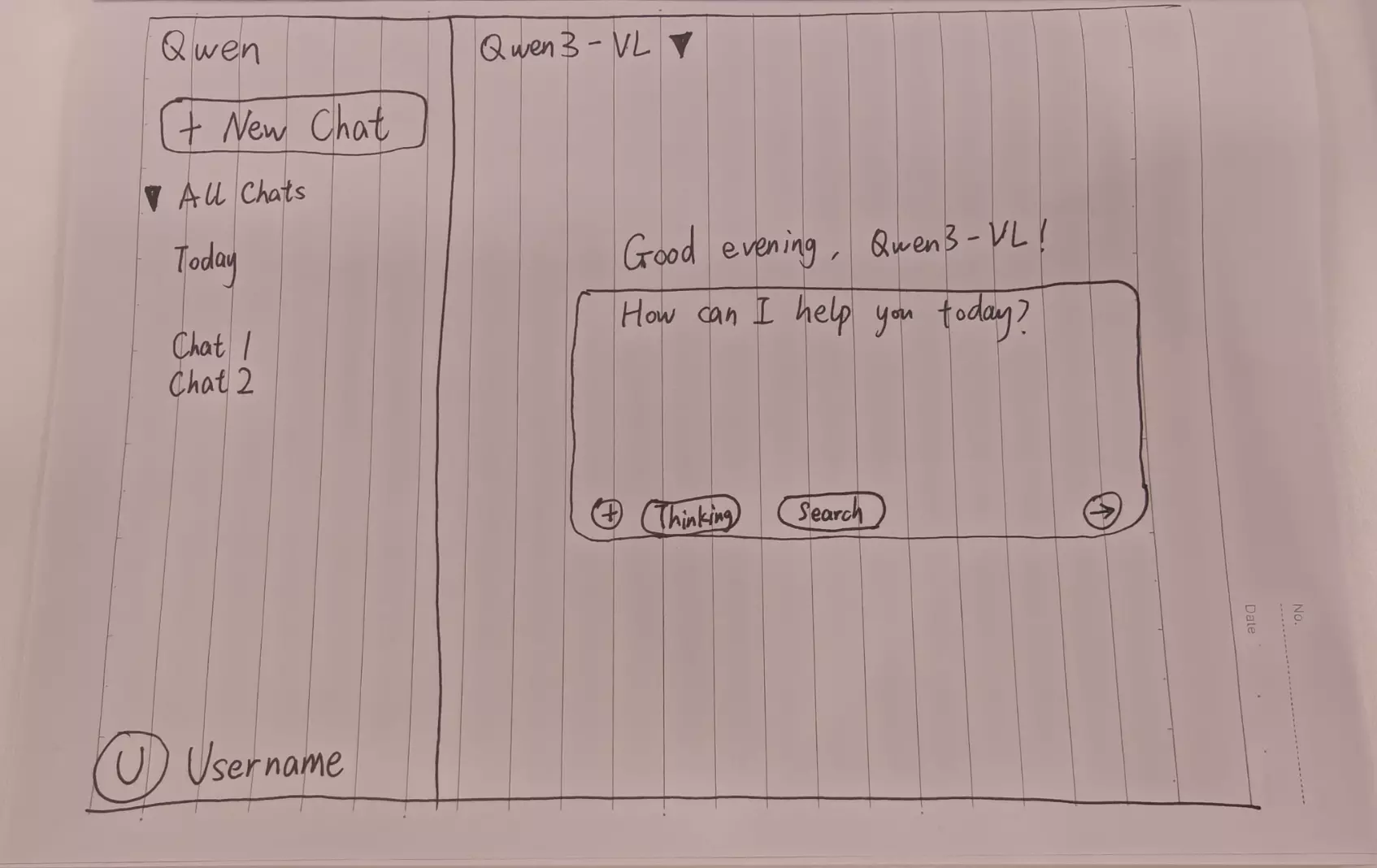
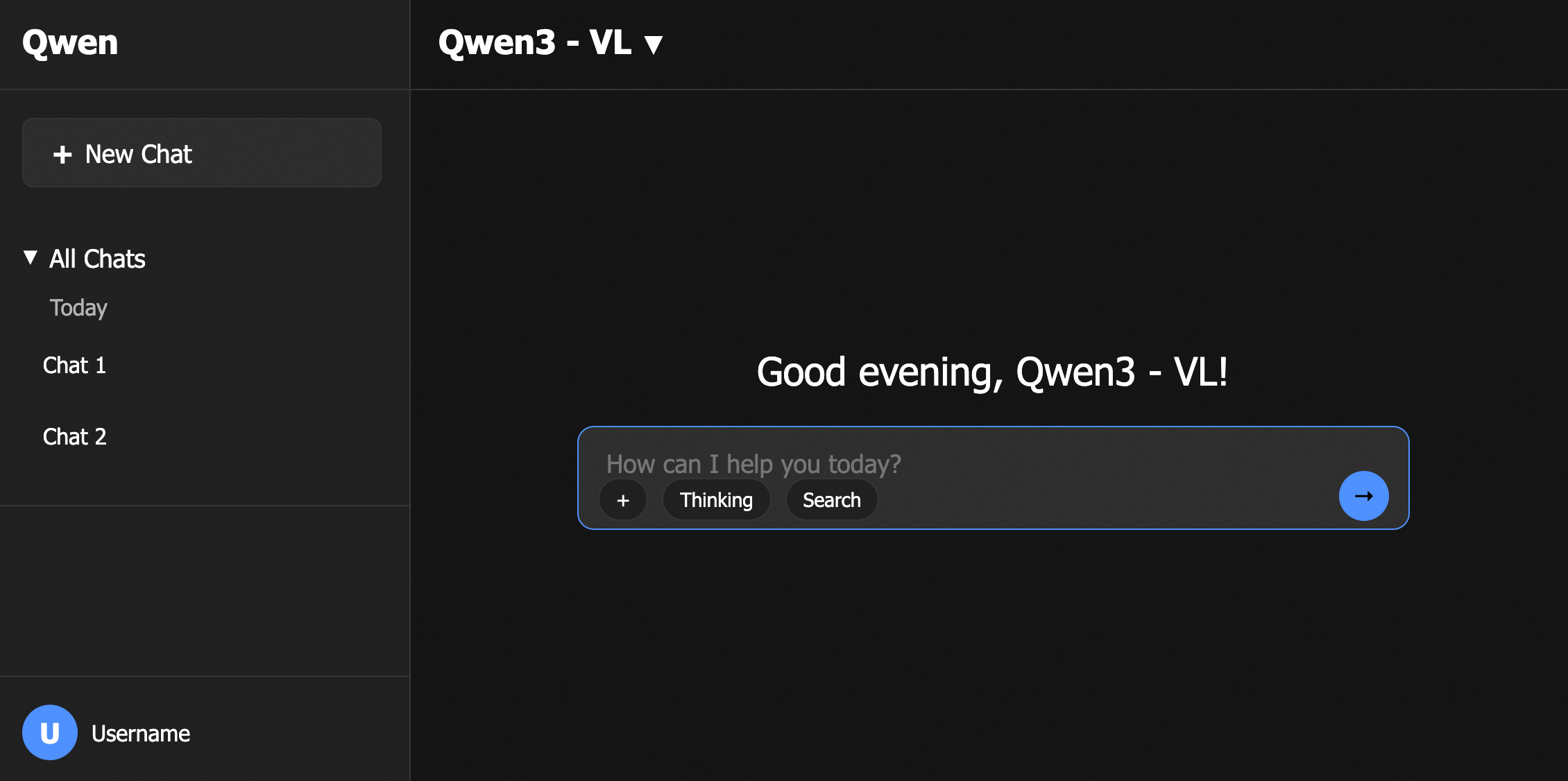
根据我的草图设计使用HTML、CSS创建网页,主色调为黑色。 |
网页预览效果 |
|---|
物体定位
支持二维和三维定位,可用于判断物体方位、视角变化、遮挡关系。三维定位为Qwen3-VL模型新增能力。Qwen2.5-VL模型 480480~* 2560*2560 分辨率范围内,物体定位效果较为鲁棒,在此范围之外检测精度可能会下降(偶发检测框漂移现象)。
如需将定位结果绘制到原图可参见 常见问题 。
二维定位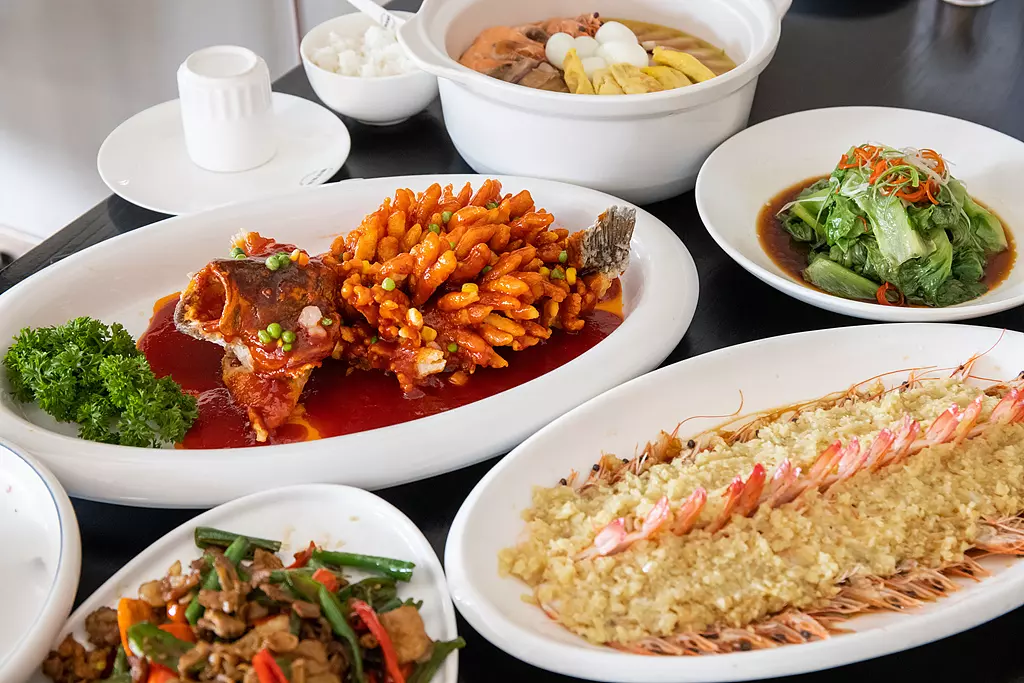
| 可视化展示二维定位效果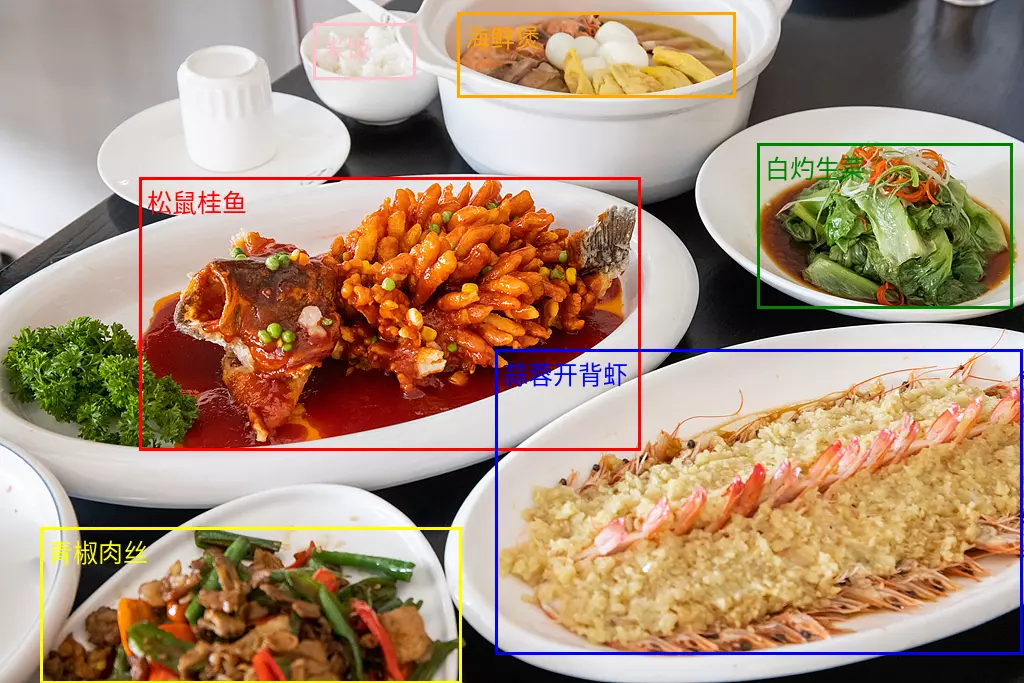 |
三维定位 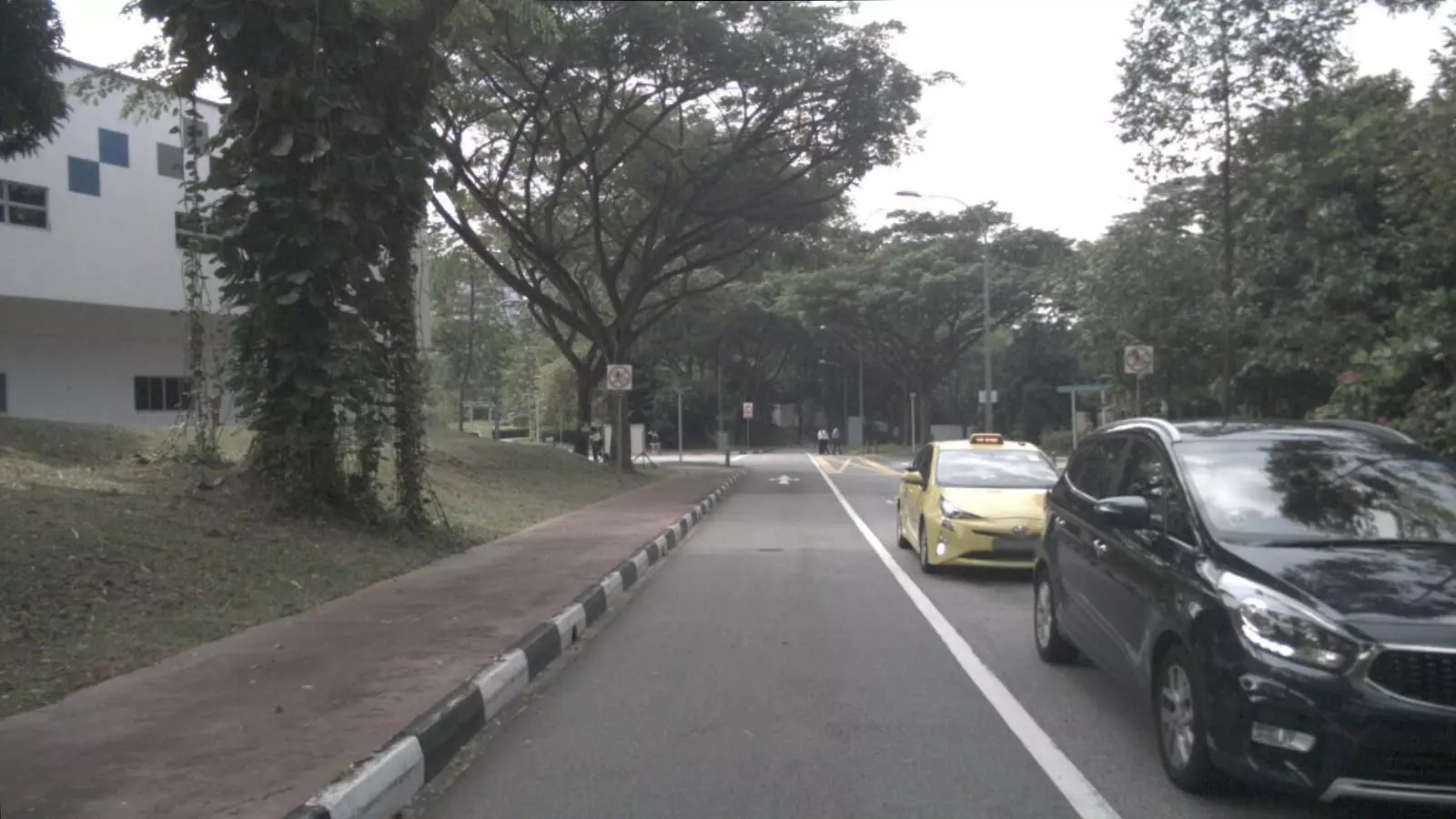 [{"bbox_3d": [x_center, y_center, z_center, x_size, y_size, z_size, roll, pitch, yaw], "label": "category"}]。 |
可视化展示三维定位效果 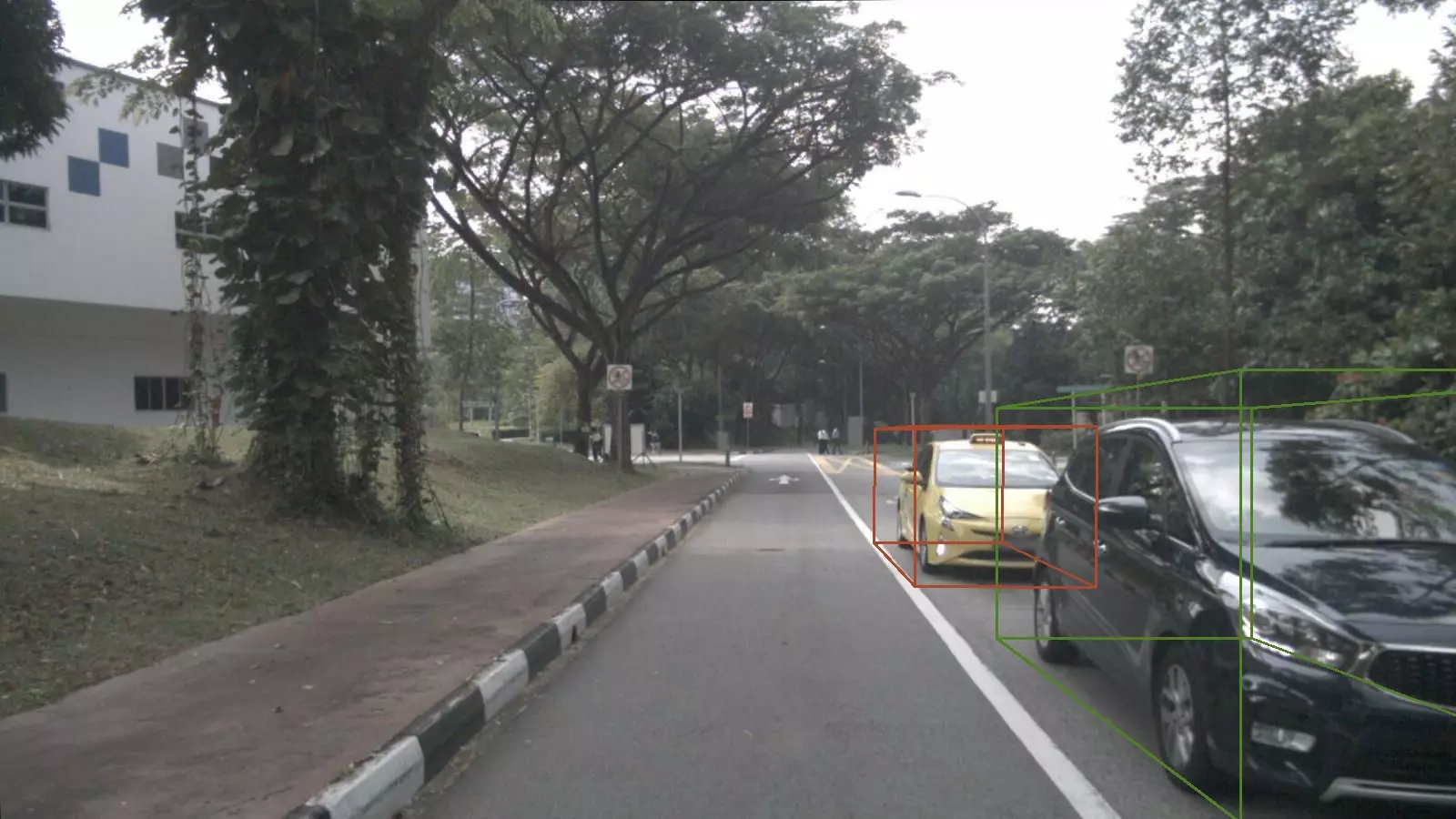 |
文档解析
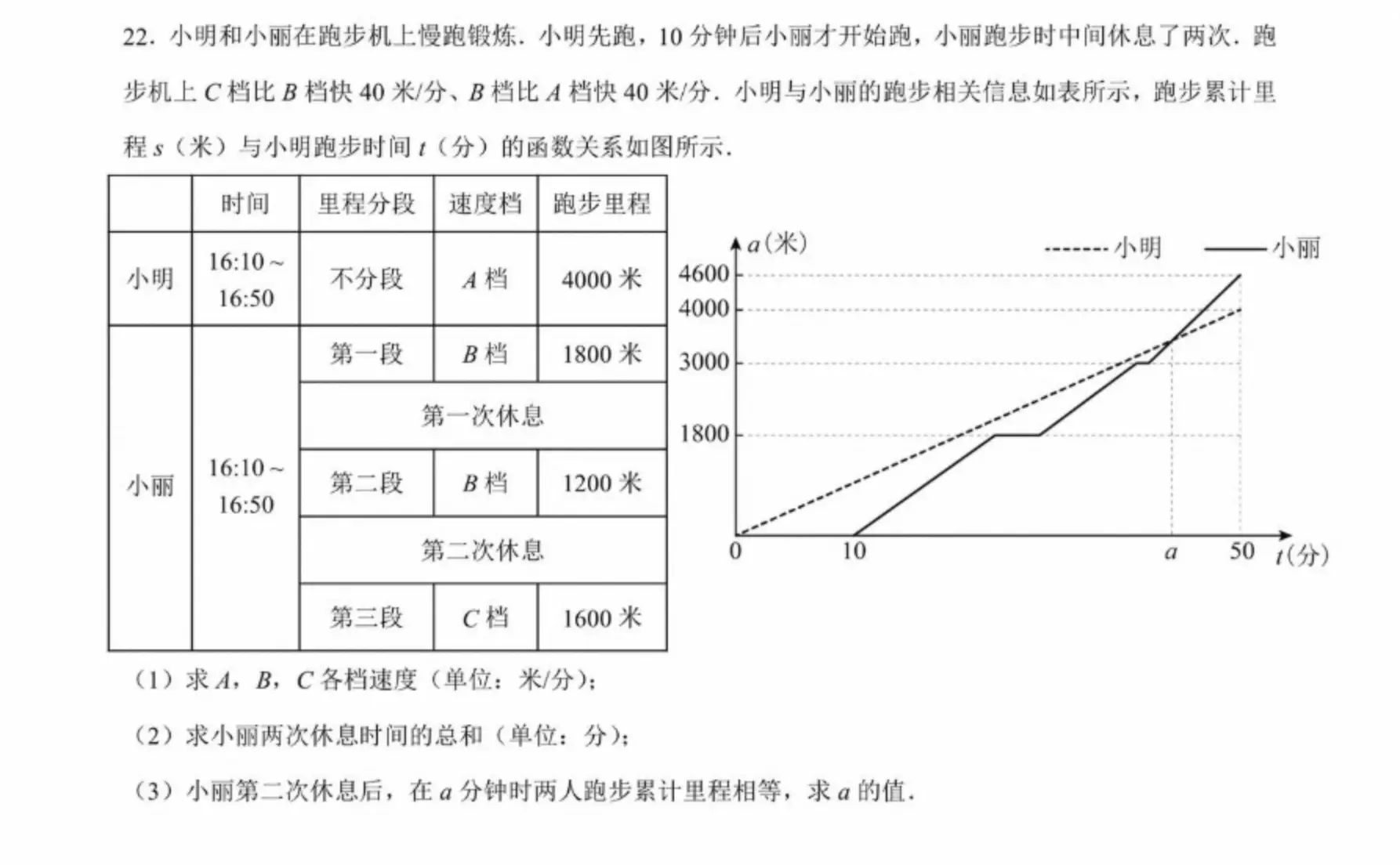
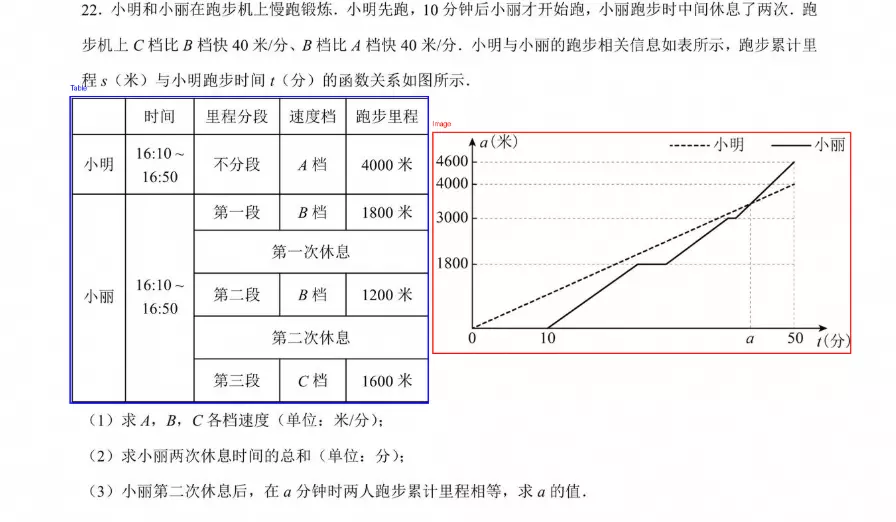
将图像类的文档(如扫描件/图片PDF)解析为 QwenVL HTML 或 QwenVL Markdown 格式,该格式不仅能精准识别文本,还能获取图像、表格等元素的位置信息。Qwen3-VL模型新增解析为 Markdown 格式的能力。推荐提示词如下:qwenvl html(解析为HTML格式)或qwenvl markdown(解析为Markdown格式)
qwenvl markdown。 |
可视化展示效果 |
|---|
视频理解
分析视频内容,如对具体事件进行定位并获取时间戳、生成关键时间段的摘要等。| 请你描述下视频中的人物的一系列动作,以JSON格式输出开始时间(start_time)、结束时间(end_time)、事件(event),请使用HH:mm:ss表示时间戳。 | {"events": [{"start_time": "00:00:00","end_time": "00:00:05","event": "人物手持一个纸箱走向桌子,并将纸箱放在桌上。"},{"start_time": "00:00:05","end_time": "00:00:15","event": "人物拿起扫描枪,对准纸箱上的标签进行扫描。"},{"start_time": "00:00:15","end_time": "00:00:21","event": "人物将扫描枪放回原位,然后拿起笔在笔记本上记录信息。"}]} |
核心能力
开启/关闭思考模式
-
qwen3.8、qwen3.7、qwen3.6、qwen3.5、qwen3-vl-plus系列模型属于混合思考模型,模型可以在思考后回复,也可直接回复;通过enable_thinking参数控制是否开启思考模式:true:开启思考模式。qwen3.8、qwen3.7、qwen3.6、qwen3.5系列模型默认为true。false:关闭思考模式。qwen3-vl-plus系列模型默认为false。
-
带
thinking后缀的属于仅思考模型,模型总会在回复前进行思考,且无法关闭。
- 模型配置:在非 Agent 工具调用的通用对话场景下,为保持最佳效果,建议不设置
System Message,可将模型角色设定、输出格式要求等指令通过User Message传入。 - 优先使用流式输出: 开启思考模式时,支持流式和非流式两种输出方式。为避免因响应内容过长导致超时,建议优先使用流式输出方式。
- 限制思考长度:深度思考模型有时会输出冗长的推理过程,可使用
thinking_budget参数限制思考过程的长度。若模型思考过程生成的 Token 数超过thinking_budget,推理内容会进行截断并立刻开始生成最终回复内容。thinking_budget默认值为模型的最大思维链长度,请参见模型列表。
- OpenAI 兼容
- DashScope
enable_thinking非 OpenAI 标准参数,若使用 OpenAI Python SDK请通过 extra_body传入。from openai import OpenAI
import os
# 初始化OpenAI客户端
client = OpenAI(
# 若没有配置环境变量,请用阿里云百炼API Key将下行替换为:api_key="sk-xxx",
# 各地域的API Key不同。获取API Key:https://help.aliyun.com/zh/model-studio/get-api-key
api_key=os.getenv("DASHSCOPE_API_KEY"),
# 以下为华北2(北京)地域的URL,调用时请将 {WorkspaceId} 替换为真实的业务空间ID,各地域的URL不同。
base_url="https://{WorkspaceId}.cn-beijing.maas.aliyuncs.com/compatible-mode/v1",
)
reasoning_content = "" # 定义完整思考过程
answer_content = "" # 定义完整回复
is_answering = False # 判断是否结束思考过程并开始回复
enable_thinking = True
# 创建聊天完成请求
completion = client.chat.completions.create(
model="qwen3.8-max",
messages=[
{
"role": "user",
"content": [
{
"type": "image_url",
"image_url": {
"url": "https://img.alicdn.com/imgextra/i1/O1CN01gDEY8M1W114Hi3XcN_!!6000000002727-0-tps-1024-406.jpg"
},
},
{"type": "text", "text": "这道题怎么解答?"},
],
},
],
stream=True,
# enable_thinking 参数开启思考过程,thinking_budget 参数设置最大推理过程 Token 数
# 通过enable_thinking参数切换思考模式
extra_body={
'enable_thinking': enable_thinking,
"thinking_budget": 81920},
# 解除以下注释会在最后一个chunk返回Token使用量
# stream_options={
# "include_usage": True
# }
)
if enable_thinking:
print("\n" + "=" * 20 + "思考过程" + "=" * 20 + "\n")
for chunk in completion:
# 如果chunk.choices为空,则打印usage
if not chunk.choices:
print("\nUsage:")
print(chunk.usage)
else:
delta = chunk.choices[0].delta
# 打印思考过程
if hasattr(delta, 'reasoning_content') and delta.reasoning_content is not None:
print(delta.reasoning_content, end='', flush=True)
reasoning_content += delta.reasoning_content
else:
# 开始回复
if delta.content != "" and is_answering is False:
print("\n" + "=" * 20 + "完整回复" + "=" * 20 + "\n")
is_answering = True
# 打印回复过程
print(delta.content, end='', flush=True)
answer_content += delta.content
# print("=" * 20 + "完整思考过程" + "=" * 20 + "\n")
# print(reasoning_content)
# print("=" * 20 + "完整回复" + "=" * 20 + "\n")
# print(answer_content)
import os
import dashscope
from dashscope import MultiModalConversation
# 以下为华北2(北京)地域的URL,调用时请将 {WorkspaceId} 替换为真实的业务空间ID,各地域的URL不同。
dashscope.base_http_api_url = "https://{WorkspaceId}.cn-beijing.maas.aliyuncs.com/api/v1"
enable_thinking=True
messages = [
{
"role": "user",
"content": [
{"image": "https://img.alicdn.com/imgextra/i1/O1CN01gDEY8M1W114Hi3XcN_!!6000000002727-0-tps-1024-406.jpg"},
{"text": "解答这道题?"}
]
}
]
response = MultiModalConversation.call(
# 若没有配置环境变量,请用百炼API Key将下行替换为:api_key="sk-xxx",
api_key=os.getenv('DASHSCOPE_API_KEY'),
model="qwen3.8-max",
messages=messages,
stream=True,
# enable_thinking 参数开启思考过程
# 通过enable_thinking参数切换思考模式
enable_thinking=enable_thinking,
# thinking_budget 参数设置最大推理过程 Token 数
thinking_budget=81920,
)
# 定义完整思考过程
reasoning_content = ""
# 定义完整回复
answer_content = ""
# 判断是否结束思考过程并开始回复
is_answering = False
if enable_thinking:
print("=" * 20 + "思考过程" + "=" * 20)
for chunk in response:
# 如果思考过程与回复皆为空,则忽略
message = chunk.output.choices[0].message
reasoning_content_chunk = message.get("reasoning_content", None)
if (chunk.output.choices[0].message.content == [] and
reasoning_content_chunk == ""):
pass
else:
# 如果当前为思考过程
if reasoning_content_chunk is not None and chunk.output.choices[0].message.content == []:
print(chunk.output.choices[0].message.reasoning_content, end="")
reasoning_content += chunk.output.choices[0].message.reasoning_content
# 如果当前为回复
elif chunk.output.choices[0].message.content != []:
if not is_answering:
print("\n" + "=" * 20 + "完整回复" + "=" * 20)
is_answering = True
print(chunk.output.choices[0].message.content[0]["text"], end="")
answer_content += chunk.output.choices[0].message.content[0]["text"]
# 打印完整思考过程与回复
# print("=" * 20 + "完整思考过程" + "=" * 20 + "\n")
# print(f"{reasoning_content}")
# print("=" * 20 + "完整回复" + "=" * 20 + "\n")
# print(f"{answer_content}")
多图像输入
视觉理解模型支持在单次请求中传入多张图片,可用于商品对比、多页文档处理等任务。实现时只需在user message 的content数组中包含多个图片对象即可。
- OpenAI兼容
- DashScope
- Python
- Node.js
- curl
import os
from openai import OpenAI
client = OpenAI(
# 各地域的API Key不同。获取API Key:https://help.aliyun.com/zh/model-studio/get-api-key
api_key=os.getenv("DASHSCOPE_API_KEY"),
# 以下为华北2(北京)地域的URL,调用时请将 {WorkspaceId} 替换为真实的业务空间ID,各地域的URL不同。
base_url="https://{WorkspaceId}.cn-beijing.maas.aliyuncs.com/compatible-mode/v1",
)
completion = client.chat.completions.create(
model="qwen3.8-max", # 此处以qwen3.8-max为例,可按需更换模型名称。模型列表:https://help.aliyun.com/zh/model-studio/models
messages=[
{"role": "user","content": [
{"type": "image_url","image_url": {"url": "https://help-static-aliyun-doc.aliyuncs.com/file-manage-files/zh-CN/20241022/emyrja/dog_and_girl.jpeg"},},
{"type": "image_url","image_url": {"url": "https://dashscope.oss-cn-beijing.aliyuncs.com/images/tiger.png"},},
{"type": "text", "text": "这些图描绘了什么内容?"},
],
}
],
)
print(completion.choices[0].message.content)
返回结果
图1中是一位女士和一只拉布拉多犬在海滩上互动的场景。女士穿着格子衬衫,坐在沙滩上,与狗进行握手的动作,背景是海浪和天空,整个画面充满了温馨和愉快的氛围。
图2中是一只老虎在森林中行走的场景。老虎的毛色是橙色和黑色条纹相间,它正向前迈步,周围是茂密的树木和植被,地面上覆盖着落叶,整个画面给人一种野生自然的感觉。
import OpenAI from "openai";
const openai = new OpenAI(
{
// 若没有配置环境变量,请用百炼API Key将下行替换为:apiKey: "sk-xxx"
// 各地域的API Key不同。获取API Key:https://help.aliyun.com/zh/model-studio/get-api-key
apiKey: process.env.DASHSCOPE_API_KEY,
// 以下为华北2(北京)地域的URL,调用时请将 {WorkspaceId} 替换为真实的业务空间ID,各地域的URL不同。
baseURL: "https://{WorkspaceId}.cn-beijing.maas.aliyuncs.com/compatible-mode/v1"
}
);
async function main() {
const response = await openai.chat.completions.create({
model: "qwen3.8-max", // 此处以qwen3.8-max为例,可按需更换模型名称。模型列表:https://help.aliyun.com/zh/model-studio/models
messages: [
{role: "user",content: [
{type: "image_url",image_url: {"url": "https://help-static-aliyun-doc.aliyuncs.com/file-manage-files/zh-CN/20241022/emyrja/dog_and_girl.jpeg"}},
{type: "image_url",image_url: {"url": "https://dashscope.oss-cn-beijing.aliyuncs.com/images/tiger.png"}},
{type: "text", text: "这些图描绘了什么内容?" },
]}]
});
console.log(response.choices[0].message.content);
}
main()
返回结果
第一张图片中,一个人和一只狗在海滩上互动。人穿着格子衬衫,狗戴着项圈,他们似乎在握手或击掌。
第二张图片中,一只老虎在森林中行走。老虎的毛色是橙色和黑色条纹,背景是绿色的树木和植被。
# ======= 重要提示 =======
# 各地域的API Key不同。获取API Key:https://help.aliyun.com/zh/model-studio/get-api-key
# 以下为华北2(北京)地域的URL,调用时请将 {WorkspaceId} 替换为真实的业务空间ID,各地域的URL不同。
# === 执行时请删除该注释 ===
curl -X POST https://{WorkspaceId}.cn-beijing.maas.aliyuncs.com/compatible-mode/v1/chat/completions \
-H "Authorization: Bearer $DASHSCOPE_API_KEY" \
-H 'Content-Type: application/json' \
-d '{
"model": "qwen3.8-max",
"messages": [
{
"role": "user",
"content": [
{
"type": "image_url",
"image_url": {
"url": "https://help-static-aliyun-doc.aliyuncs.com/file-manage-files/zh-CN/20241022/emyrja/dog_and_girl.jpeg"
}
},
{
"type": "image_url",
"image_url": {
"url": "https://dashscope.oss-cn-beijing.aliyuncs.com/images/tiger.png"
}
},
{
"type": "text",
"text": "这些图描绘了什么内容?"
}
]
}
]
}'
返回结果
{
"choices": [
{
"message": {
"content": "图1中是一位女士和一只拉布拉多犬在海滩上互动的场景。女士穿着格子衬衫,坐在沙滩上,与狗进行握手的动作,背景是海景和日落的天空,整个画面显得非常温馨和谐。\n\n图2中是一只老虎在森林中行走的场景。老虎的毛色是橙色和黑色条纹相间,它正向前迈步,周围是茂密的树木和植被,地面上覆盖着落叶,整个画面充满了自然的野性和生机。",
"role": "assistant"
},
"finish_reason": "stop",
"index": 0,
"logprobs": null
}
],
"object": "chat.completion",
"usage": {
"prompt_tokens": 2497,
"completion_tokens": 109,
"total_tokens": 2606
},
"created": 1725948561,
"system_fingerprint": null,
"model": "qwen3.8-max",
"id": "chatcmpl-0fd66f46-b09e-9164-a84f-3ebbbedbac15"
}
- Python
- Java
- curl
import os
import dashscope
# 以下为华北2(北京)地域的URL,调用时请将 {WorkspaceId} 替换为真实的业务空间ID,各地域的URL不同。
dashscope.base_http_api_url = "https://{WorkspaceId}.cn-beijing.maas.aliyuncs.com/api/v1"
messages = [
{
"role": "user",
"content": [
{"image": "https://help-static-aliyun-doc.aliyuncs.com/file-manage-files/zh-CN/20241022/emyrja/dog_and_girl.jpeg"},
{"image": "https://dashscope.oss-cn-beijing.aliyuncs.com/images/tiger.png"},
{"text": "这些图描绘了什么内容?"}
]
}
]
response = dashscope.MultiModalConversation.call(
# 若没有配置环境变量,请用百炼API Key将下行替换为:api_key="sk-xxx"
# 各地域的API Key不同。获取API Key:https://help.aliyun.com/zh/model-studio/get-api-key
api_key=os.getenv('DASHSCOPE_API_KEY'),
model='qwen3.7-plus', # 此处以qwen3.7-plus为例,可按需更换模型名称。模型列表:https://help.aliyun.com/zh/model-studio/models
messages=messages
)
print(response.output.choices[0].message.content[0]["text"])
返回结果
这些图片展示了一些动物和自然场景。第一张图片中,一个人和一只狗在海滩上互动。第二张图片是一只老虎在森林中行走
import java.util.Arrays;
import java.util.Collections;
import com.alibaba.dashscope.aigc.multimodalconversation.MultiModalConversation;
import com.alibaba.dashscope.aigc.multimodalconversation.MultiModalConversationParam;
import com.alibaba.dashscope.aigc.multimodalconversation.MultiModalConversationResult;
import com.alibaba.dashscope.common.MultiModalMessage;
import com.alibaba.dashscope.common.Role;
import com.alibaba.dashscope.exception.ApiException;
import com.alibaba.dashscope.exception.NoApiKeyException;
import com.alibaba.dashscope.exception.UploadFileException;
import java.util.HashMap;
import com.alibaba.dashscope.utils.Constants;
public class Main {
// 以下为华北2(北京)地域的URL,调用时请将 {WorkspaceId} 替换为真实的业务空间ID,各地域的URL不同。
static {Constants.baseHttpApiUrl="https://{WorkspaceId}.cn-beijing.maas.aliyuncs.com/api/v1";}
public static void simpleMultiModalConversationCall()
throws ApiException, NoApiKeyException, UploadFileException {
MultiModalConversation conv = new MultiModalConversation();
MultiModalMessage userMessage = MultiModalMessage.builder().role(Role.USER.getValue())
.content(Arrays.asList(
Collections.singletonMap("image", "https://help-static-aliyun-doc.aliyuncs.com/file-manage-files/zh-CN/20241022/emyrja/dog_and_girl.jpeg"),
Collections.singletonMap("image", "https://dashscope.oss-cn-beijing.aliyuncs.com/images/tiger.png"),
Collections.singletonMap("text", "这些图描绘了什么内容?"))).build();
MultiModalConversationParam param = MultiModalConversationParam.builder()
// 若没有配置环境变量,请用百炼API Key将下行替换为:.apiKey("sk-xxx")
// 各地域的API Key不同。获取API Key:https://help.aliyun.com/zh/model-studio/get-api-key
.apiKey(System.getenv("DASHSCOPE_API_KEY"))
.model("qwen3.8-max") // 此处以qwen3.8-max为例,可按需更换模型名称。模型列表:https://help.aliyun.com/zh/model-studio/models
.messages(Arrays.asList(userMessage))
.build();
MultiModalConversationResult result = conv.call(param);
System.out.println(result.getOutput().getChoices().get(0).getMessage().getContent().get(0).get("text")); }
public static void main(String[] args) {
try {
simpleMultiModalConversationCall();
} catch (ApiException | NoApiKeyException | UploadFileException e) {
System.out.println(e.getMessage());
}
System.exit(0);
}
}
返回结果
这些图片展示了一些动物和自然场景。
1. 第一张图片:一个女人和一只狗在海滩上互动。女人穿着格子衬衫,坐在沙滩上,狗戴着项圈,伸出爪子与女人握手。
2. 第二张图片:一只老虎在森林中行走。老虎的毛色是橙色和黑色条纹,背景是树木和树叶。
# ======= 重要提示 =======
# 各地域的API Key不同。获取API Key:https://help.aliyun.com/zh/model-studio/get-api-key
# 以下为华北2(北京)地域的URL,调用时请将 {WorkspaceId} 替换为真实的业务空间ID,各地域的URL不同。
# === 执行时请删除该注释 ===
curl --location 'https://{WorkspaceId}.cn-beijing.maas.aliyuncs.com/api/v1/services/aigc/multimodal-generation/generation' \
--header "Authorization: Bearer $DASHSCOPE_API_KEY" \
--header 'Content-Type: application/json' \
--data '{
"model": "qwen3.8-max",
"input":{
"messages":[
{
"role": "user",
"content": [
{"image": "https://help-static-aliyun-doc.aliyuncs.com/file-manage-files/zh-CN/20241022/emyrja/dog_and_girl.jpeg"},
{"image": "https://dashscope.oss-cn-beijing.aliyuncs.com/images/tiger.png"},
{"text": "这些图展现了什么内容?"}
]
}
]
}
}'
返回结果
{
"output": {
"choices": [
{
"finish_reason": "stop",
"message": {
"role": "assistant",
"content": [
{
"text": "这些图片展示了一些动物和自然场景。第一张图片中,一个人和一只狗在海滩上互动。第二张图片是一只老虎在森林中行走。"
}
]
}
}
]
},
"usage": {
"output_tokens": 81,
"input_tokens": 1277,
"image_tokens": 2497
},
"request_id": "ccf845a3-dc33-9cda-b581-20fe7dc23f70"
}
视频理解
视觉理解模型支持对视频内容进行理解,文件形式包括图像列表(视频帧)或视频文件。以下是理解在线视频或图像列表(通过URL指定)的示例代码。关于视频限制或可传入的图像列表数量限制,请参见视频限制章节。建议使用性能较优的最新版或近期快照版模型理解视频文件。
- 视频文件
- 图像列表
-
fps:控制抽帧频率,每隔 1/fps 秒抽取一帧。取值范围为 [0.1, 10],默认值为 2.0。
- 高速运动场景:建议设置较高的 fps 值,以捕捉更多细节
- 静态或长视频:建议设置较低的 fps 值,以提高处理效率
- max_frames:限制视频抽取帧的上限。当按 fps 计算的总帧数超过此限制时,系统将自动在 max_frames 内均匀抽帧。此参数仅在使用 DashScope SDK时可用。
- OpenAI兼容
- DashScope
使用OpenAI SDK或HTTP方式向视觉理解模型直接输入视频文件时,需要将用户消息中的"type"参数设为"video_url"。
import os
from openai import OpenAI
client = OpenAI(
# 若没有配置环境变量,请用百炼API Key将下行替换为:api_key="sk-xxx",
# 各地域的API Key不同。获取API Key:https://help.aliyun.com/zh/model-studio/get-api-key
api_key=os.getenv("DASHSCOPE_API_KEY"),
# 以下为华北2(北京)地域的URL,调用时请将 {WorkspaceId} 替换为真实的业务空间ID,各地域的URL不同。
base_url="https://{WorkspaceId}.cn-beijing.maas.aliyuncs.com/compatible-mode/v1",
)
completion = client.chat.completions.create(
model="qwen3.8-max",
messages=[
{
"role": "user",
"content": [
# 直接传入视频文件时,请将type的值设置为video_url
{
"type": "video_url",
"video_url": {
"url": "https://help-static-aliyun-doc.aliyuncs.com/file-manage-files/zh-CN/20241115/cqqkru/1.mp4"
},
"fps": 2
},
{
"type": "text",
"text": "这段视频的内容是什么?"
}
]
}
]
)
print(completion.choices[0].message.content)
import dashscope
import os
# 以下为华北2(北京)地域的URL,调用时请将 {WorkspaceId} 替换为真实的业务空间ID,各地域的URL不同。
dashscope.base_http_api_url = "https://{WorkspaceId}.cn-beijing.maas.aliyuncs.com/api/v1"
messages = [
{"role": "user",
"content": [
# fps 可参数控制视频抽帧频率,表示每隔 1/fps 秒抽取一帧,完整用法请参见:https://help.aliyun.com/zh/model-studio/use-qwen-by-calling-api?#2ed5ee7377fum
{"video": "https://help-static-aliyun-doc.aliyuncs.com/file-manage-files/zh-CN/20241115/cqqkru/1.mp4","fps":2},
{"text": "这段视频的内容是什么?"}
]
}
]
response = dashscope.MultiModalConversation.call(
# 若没有配置环境变量, 请用百炼API Key将下行替换为: api_key ="sk-xxx"
api_key=os.getenv('DASHSCOPE_API_KEY'),
model='qwen3.7-plus',
messages=messages
)
print(response.output.choices[0].message.content[0]["text"])
fps参数告知模型视频帧之间的时间间隔,这能帮助模型更准确地理解事件的顺序、持续时间和动态变化。模型支持通过 fps 参数指定原始视频的抽帧率,表示视频帧是每隔 1/fps 秒从原始视频中抽取的。该参数支持Qwen3.6、Qwen3-VL、Qwen2.5-VL模型。- OpenAI兼容
- DashScope
使用OpenAI SDK或HTTP方式向视觉理解模型输入图片列表形式的视频时,需要将用户消息中的"type"参数设为"video"。
import os
from openai import OpenAI
client = OpenAI(
# 若没有配置环境变量,请用百炼API Key将下行替换为:api_key="sk-xxx",
# 各地域的API Key不同。获取API Key:https://help.aliyun.com/zh/model-studio/get-api-key
api_key=os.getenv("DASHSCOPE_API_KEY"),
# 以下为华北2(北京)地域的URL,调用时请将 {WorkspaceId} 替换为真实的业务空间ID,各地域的URL不同。
base_url="https://{WorkspaceId}.cn-beijing.maas.aliyuncs.com/compatible-mode/v1",
)
completion = client.chat.completions.create(
model="qwen3.8-max", # 此处以qwen3.8-max为例,可按需更换模型名称。模型列表:https://help.aliyun.com/zh/model-studio/models
messages=[{"role": "user","content": [
# 传入图像列表时,用户消息中的"type"参数为"video"
{"type": "video","video": [
"https://help-static-aliyun-doc.aliyuncs.com/file-manage-files/zh-CN/20241108/xzsgiz/football1.jpg",
"https://help-static-aliyun-doc.aliyuncs.com/file-manage-files/zh-CN/20241108/tdescd/football2.jpg",
"https://help-static-aliyun-doc.aliyuncs.com/file-manage-files/zh-CN/20241108/zefdja/football3.jpg",
"https://help-static-aliyun-doc.aliyuncs.com/file-manage-files/zh-CN/20241108/aedbqh/football4.jpg"],
"fps":2},
{"type": "text","text": "描述这个视频的具体过程"},
]}]
)
print(completion.choices[0].message.content)
import os
import dashscope
# 以下为华北2(北京)地域的URL,调用时请将 {WorkspaceId} 替换为真实的业务空间ID,各地域的URL不同。
dashscope.base_http_api_url = "https://{WorkspaceId}.cn-beijing.maas.aliyuncs.com/api/v1"
messages = [{"role": "user",
"content": [
# 传入图像列表时,fps 参数适用于Qwen3.6、Qwen3-VL 和 Qwen2.5-VL系列模型
{"video":["https://help-static-aliyun-doc.aliyuncs.com/file-manage-files/zh-CN/20241108/xzsgiz/football1.jpg",
"https://help-static-aliyun-doc.aliyuncs.com/file-manage-files/zh-CN/20241108/tdescd/football2.jpg",
"https://help-static-aliyun-doc.aliyuncs.com/file-manage-files/zh-CN/20241108/zefdja/football3.jpg",
"https://help-static-aliyun-doc.aliyuncs.com/file-manage-files/zh-CN/20241108/aedbqh/football4.jpg"],
"fps":2},
{"text": "描述这个视频的具体过程"}]}]
response = dashscope.MultiModalConversation.call(
# 若没有配置环境变量,请用百炼API Key将下行替换为:api_key="sk-xxx",
api_key=os.getenv("DASHSCOPE_API_KEY"),
model='qwen3.7-plus', # 此处以qwen3.7-plus为例,可按需更换模型名称。模型列表:https://help.aliyun.com/zh/model-studio/models
messages=messages
)
print(response.output.choices[0].message.content[0]["text"])
传入本地文件(Base64 编码或文件路径)
视觉理解模型提供两种本地文件上传方式:Base64 编码上传和文件路径直接上传。可根据文件大小、SDK类型选择上传方式,具体建议请参见如何选择文件上传方式;两种方式均需满足图像限制中对文件的要求。- Base64 编码上传
- 文件路径上传
传入 Base64 编码字符串的步骤(以图像为例)
传入 Base64 编码字符串的步骤(以图像为例)
-
文件编码:将本地图像转换为 Base64 编码;
图像转换为 Base64 编码的示例代码
Copy# 编码函数: 将本地文件转换为 Base64 编码的字符串 import base64 def encode_image(image_path): with open(image_path, "rb") as image_file: return base64.b64encode(image_file.read()).decode("utf-8") # 将xxxx/eagle.png替换为你本地图像的绝对路径 base64_image = encode_image("xxx/eagle.png") -
构建 Data URL:格式如下:
data:[MIME_type];base64,{base64_image};MIME_type需替换为实际的媒体类型,确保与支持的图像格式表格中MIME Type的值匹配(如image/jpeg、image/png);base64_image为上一步生成的 Base64 字符串;
-
调用模型:通过
image或image_url参数传递Data URL并调用模型。
指定文件路径(以图像为例)
指定文件路径(以图像为例)
系统 | SDK | 传入的文件路径 | 示例 |
|---|---|---|---|
Linux或macOS系统 | Python SDK | file://{文件的绝对路径} | file:///home/images/test.png |
Java SDK | |||
Windows系统 | Python SDK | file://{文件的绝对路径} | file://D:/images/test.png |
Java SDK | file:///{文件的绝对路径} | file:///D:/images/test.png |
- 图像
- 视频文件
- 图像列表
- 文件路径传入
- Base64 编码传入
import os
from dashscope import MultiModalConversation
import dashscope
# 以下为华北2(北京)地域的URL,调用时请将 {WorkspaceId} 替换为真实的业务空间ID,各地域的URL不同。
dashscope.base_http_api_url = "https://{WorkspaceId}.cn-beijing.maas.aliyuncs.com/api/v1"
# 将xxx/eagle.png替换为你本地图像的绝对路径
local_path = "xxx/eagle.png"
image_path = f"file://{local_path}"
messages = [
{'role':'user',
'content': [{'image': image_path},
{'text': '图中描绘的是什么景象?'}]}]
response = MultiModalConversation.call(
# 若没有配置环境变量,请用百炼API Key将下行替换为:api_key="sk-xxx"
# 各地域的API Key不同。获取API Key:https://help.aliyun.com/zh/model-studio/get-api-key
api_key=os.getenv('DASHSCOPE_API_KEY'),
model='qwen3.7-plus', # 此处以qwen3.7-plus为例,可按需更换模型名称。模型列表:https://help.aliyun.com/zh/model-studio/models
messages=messages)
print(response.output.choices[0].message.content[0]["text"])
- OpenAI兼容
- DashScope
- Python
- Node.js
- curl
from openai import OpenAI
import os
import base64
# 编码函数: 将本地文件转换为 Base64 编码的字符串
def encode_image(image_path):
with open(image_path, "rb") as image_file:
return base64.b64encode(image_file.read()).decode("utf-8")
# 将xxxx/eagle.png替换为你本地图像的绝对路径
base64_image = encode_image("xxx/eagle.png")
client = OpenAI(
# 若没有配置环境变量,请用百炼API Key将下行替换为:api_key="sk-xxx"
# 各地域的API Key不同。获取API Key:https://help.aliyun.com/zh/model-studio/get-api-key
api_key=os.getenv('DASHSCOPE_API_KEY'),
# 以下为华北2(北京)地域的URL,调用时请将 {WorkspaceId} 替换为真实的业务空间ID,各地域的URL不同。
base_url="https://{WorkspaceId}.cn-beijing.maas.aliyuncs.com/compatible-mode/v1",
)
completion = client.chat.completions.create(
model="qwen3.8-max", # 此处以qwen3.8-max为例,可按需更换模型名称。模型列表:https://help.aliyun.com/zh/model-studio/models
messages=[
{
"role": "user",
"content": [
{
"type": "image_url",
# 需要注意,传入Base64,图像格式(即image/{format})需要与支持的图片列表中的Content Type保持一致。"f"是字符串格式化的方法。
# PNG图像: f"data:image/png;base64,{base64_image}"
# JPEG图像: f"data:image/jpeg;base64,{base64_image}"
# WEBP图像: f"data:image/webp;base64,{base64_image}"
"image_url": {"url": f"data:image/png;base64,{base64_image}"},
},
{"type": "text", "text": "图中描绘的是什么景象?"},
],
}
],
)
print(completion.choices[0].message.content)
import OpenAI from "openai";
import { readFileSync } from 'fs';
const openai = new OpenAI(
{
// 若没有配置环境变量,请用百炼API Key将下行替换为:apiKey: "sk-xxx"
// 各地域的API Key不同。获取API Key:https://help.aliyun.com/zh/model-studio/get-api-key
apiKey: process.env.DASHSCOPE_API_KEY,
// 以下为华北2(北京)地域的URL,调用时请将 {WorkspaceId} 替换为真实的业务空间ID,各地域的URL不同。
baseURL: "https://{WorkspaceId}.cn-beijing.maas.aliyuncs.com/compatible-mode/v1"
}
);
const encodeImage = (imagePath) => {
const imageFile = readFileSync(imagePath);
return imageFile.toString('base64');
};
// 将xxx/eagle.png替换为你本地图像的绝对路径
const base64Image = encodeImage("xxx/eagle.png")
async function main() {
const completion = await openai.chat.completions.create({
model: "qwen3.8-max", // 此处以qwen3.8-max为例,可按需更换模型名称。模型列表:https://help.aliyun.com/zh/model-studio/models
messages: [
{"role": "user",
"content": [{"type": "image_url",
// 需要注意,传入Base64,图像格式(即image/{format})需要与支持的图片列表中的Content Type保持一致。
// PNG图像: data:image/png;base64,${base64Image}
// JPEG图像: data:image/jpeg;base64,${base64Image}
// WEBP图像: data:image/webp;base64,${base64Image}
"image_url": {"url": `data:image/png;base64,${base64Image}`},},
{"type": "text", "text": "图中描绘的是什么景象?"}]}]
});
console.log(completion.choices[0].message.content);
}
main();
- 将文件转换为 Base64 编码的字符串的方法可参见示例代码;
- 为了便于展示,代码中的
"data:image/jpeg;base64,/9j/4AAQSkZJRgABAQAAAQABAAD/2wBDAA...",该Base64 编码字符串是截断的。在实际使用中,请务必传入完整的编码字符串。
# ======= 重要提示 =======
# 各地域的API Key不同。获取API Key:https://help.aliyun.com/zh/model-studio/get-api-key
# 以下为华北2(北京)地域的URL,调用时请将 {WorkspaceId} 替换为真实的业务空间ID,各地域的URL不同。
# === 执行时请删除该注释 ===
curl --location 'https://{WorkspaceId}.cn-beijing.maas.aliyuncs.com/compatible-mode/v1/chat/completions' \
--header "Authorization: Bearer $DASHSCOPE_API_KEY" \
--header 'Content-Type: application/json' \
--data '{
"model": "qwen3.8-max",
"messages": [
{
"role": "user",
"content": [
{"type": "image_url", "image_url": {"url": "data:image/jpeg;base64,/9j/4AAQSkZJRgABAQAAAQABAAD/2wBDAA..."}},
{"type": "text", "text": "图中描绘的是什么景象?"}
]
}]
}'
- Python
- Java
- curl
import base64
import os
import dashscope
from dashscope import MultiModalConversation
# 以下为华北2(北京)地域的URL,调用时请将 {WorkspaceId} 替换为真实的业务空间ID,各地域的URL不同。
dashscope.base_http_api_url = "https://{WorkspaceId}.cn-beijing.maas.aliyuncs.com/api/v1"
# 编码函数: 将本地文件转换为 Base64 编码的字符串
def encode_image(image_path):
with open(image_path, "rb") as image_file:
return base64.b64encode(image_file.read()).decode("utf-8")
# 将xxxx/eagle.png替换为你本地图像的绝对路径
base64_image = encode_image("xxxx/eagle.png")
messages = [
{
"role": "user",
"content": [
# 需要注意,传入Base64,图像格式(即image/{format})需要与支持的图片列表中的Content Type保持一致。"f"是字符串格式化的方法。
# PNG图像: f"data:image/png;base64,{base64_image}"
# JPEG图像: f"data:image/jpeg;base64,{base64_image}"
# WEBP图像: f"data:image/webp;base64,{base64_image}"
{"image": f"data:image/png;base64,{base64_image}"},
{"text": "图中描绘的是什么景象?"},
],
},
]
response = MultiModalConversation.call(
# 若没有配置环境变量,请用百炼API Key将下行替换为:api_key="sk-xxx"
api_key=os.getenv("DASHSCOPE_API_KEY"),
model="qwen3.8-max", # 此处以qwen3.8-max为例,可按需更换模型名称。模型列表:https://help.aliyun.com/zh/model-studio/models
messages=messages,
)
print(response.output.choices[0].message.content[0]["text"])
import java.io.IOException;
import java.util.Arrays;
import java.util.Collections;
import java.util.HashMap;
import java.util.Base64;
import java.nio.file.Files;
import java.nio.file.Path;
import java.nio.file.Paths;
import com.alibaba.dashscope.aigc.multimodalconversation.*;
import com.alibaba.dashscope.common.MultiModalMessage;
import com.alibaba.dashscope.common.Role;
import com.alibaba.dashscope.exception.ApiException;
import com.alibaba.dashscope.exception.NoApiKeyException;
import com.alibaba.dashscope.exception.UploadFileException;
import com.alibaba.dashscope.utils.Constants;
public class Main {
// 以下为华北2(北京)地域的URL,调用时请将 {WorkspaceId} 替换为真实的业务空间ID,各地域的URL不同。
static {Constants.baseHttpApiUrl="https://{WorkspaceId}.cn-beijing.maas.aliyuncs.com/api/v1";}
private static String encodeImageToBase64(String imagePath) throws IOException {
Path path = Paths.get(imagePath);
byte[] imageBytes = Files.readAllBytes(path);
return Base64.getEncoder().encodeToString(imageBytes);
}
public static void callWithLocalFile(String localPath) throws ApiException, NoApiKeyException, UploadFileException, IOException {
String base64Image = encodeImageToBase64(localPath); // Base64编码
MultiModalConversation conv = new MultiModalConversation();
MultiModalMessage userMessage = MultiModalMessage.builder().role(Role.USER.getValue())
.content(Arrays.asList(
new HashMap<String, Object>() {{ put("image", "data:image/png;base64," + base64Image); }},
new HashMap<String, Object>() {{ put("text", "图中描绘的是什么景象?"); }}
)).build();
MultiModalConversationParam param = MultiModalConversationParam.builder()
// 各地域的API Key不同。获取API Key:https://help.aliyun.com/zh/model-studio/get-api-key
.apiKey(System.getenv("DASHSCOPE_API_KEY"))
.model("qwen3.8-max")
.messages(Arrays.asList(userMessage))
.build();
MultiModalConversationResult result = conv.call(param);
System.out.println(result.getOutput().getChoices().get(0).getMessage().getContent().get(0).get("text"));
}
public static void main(String[] args) {
try {
// 将 xxx/eagle.png 替换为你本地图像的绝对路径
callWithLocalFile("xxx/eagle.png");
} catch (ApiException | NoApiKeyException | UploadFileException | IOException e) {
System.out.println(e.getMessage());
}
System.exit(0);
}
}
- 将文件转换为 Base64 编码的字符串的方法可参见示例代码;
- 为了便于展示,代码中的
"data:image/jpeg;base64,/9j/4AAQSkZJRgABAQAAAQABAAD/2wBDAA...",该Base64 编码字符串是截断的。在实际使用中,请务必传入完整的编码字符串。
# ======= 重要提示 =======
# 各地域的API Key不同。获取API Key:https://help.aliyun.com/zh/model-studio/get-api-key
# 以下为华北2(北京)地域的URL,调用时请将 {WorkspaceId} 替换为真实的业务空间ID,各地域的URL不同。
# === 执行时请删除该注释 ===
curl -X POST https://{WorkspaceId}.cn-beijing.maas.aliyuncs.com/api/v1/services/aigc/multimodal-generation/generation \
-H "Authorization: Bearer $DASHSCOPE_API_KEY" \
-H 'Content-Type: application/json' \
-d '{
"model": "qwen3.8-max",
"input":{
"messages":[
{
"role": "user",
"content": [
{"image": "data:image/jpeg;base64,/9j/4AAQSkZJRgABAQAAAQABAAD/2wBDAA..."},
{"text": "图中描绘的是什么景象?"}
]
}
]
}
}'
- 文件路径传入
- Base64 编码传入
import os
from dashscope import MultiModalConversation
import dashscope
# 以下为华北2(北京)地域的URL,调用时请将 {WorkspaceId} 替换为真实的业务空间ID,各地域的URL不同。
dashscope.base_http_api_url = "https://{WorkspaceId}.cn-beijing.maas.aliyuncs.com/api/v1"
# 将xxxx/test.mp4替换为你本地视频的绝对路径
local_path = "xxx/test.mp4"
video_path = f"file://{local_path}"
messages = [
{'role':'user',
# fps参数控制视频抽帧数量,表示每隔1/fps 秒抽取一帧
'content': [{'video': video_path,"fps":2},
{'text': '这段视频描绘的是什么景象?'}]}]
response = MultiModalConversation.call(
# 若没有配置环境变量,请用百炼API Key将下行替换为:api_key="sk-xxx"
api_key=os.getenv('DASHSCOPE_API_KEY'),
model='qwen3.7-plus',
messages=messages)
print(response.output.choices[0].message.content[0]["text"])
- OpenAI兼容
- DashScope
- Python
- Node.js
- curl
from openai import OpenAI
import os
import base64
# 编码函数: 将本地文件转换为 Base64 编码的字符串
def encode_video(video_path):
with open(video_path, "rb") as video_file:
return base64.b64encode(video_file.read()).decode("utf-8")
# 将xxxx/test.mp4替换为你本地视频的绝对路径
base64_video = encode_video("xxx/test.mp4")
client = OpenAI(
# 若没有配置环境变量,请用百炼API Key将下行替换为:api_key="sk-xxx"
# 各地域的API Key不同。获取API Key:https://help.aliyun.com/zh/model-studio/get-api-key
api_key=os.getenv('DASHSCOPE_API_KEY'),
# 以下为华北2(北京)地域的URL,调用时请将 {WorkspaceId} 替换为真实的业务空间ID,各地域的URL不同。
base_url="https://{WorkspaceId}.cn-beijing.maas.aliyuncs.com/compatible-mode/v1",
)
completion = client.chat.completions.create(
model="qwen3.8-max",
messages=[
{
"role": "user",
"content": [
{
# 直接传入视频文件时,请将type的值设置为video_url
"type": "video_url",
"video_url": {"url": f"data:video/mp4;base64,{base64_video}"},
"fps":2
},
{"type": "text", "text": "这段视频描绘的是什么景象?"},
],
}
],
)
print(completion.choices[0].message.content)
import OpenAI from "openai";
import { readFileSync } from 'fs';
const openai = new OpenAI(
{
// 若没有配置环境变量,请用百炼API Key将下行替换为:apiKey: "sk-xxx"
// 各地域的API Key不同。获取API Key:https://help.aliyun.com/zh/model-studio/get-api-key
apiKey: process.env.DASHSCOPE_API_KEY,
// 以下为华北2(北京)地域的URL,调用时请将 {WorkspaceId} 替换为真实的业务空间ID,各地域的URL不同。
baseURL: "https://{WorkspaceId}.cn-beijing.maas.aliyuncs.com/compatible-mode/v1"
}
);
const encodeVideo = (videoPath) => {
const videoFile = readFileSync(videoPath);
return videoFile.toString('base64');
};
// 将xxxx/test.mp4替换为你本地视频的绝对路径
const base64Video = encodeVideo("xxx/test.mp4")
async function main() {
const completion = await openai.chat.completions.create({
model: "qwen3.8-max",
messages: [
{"role": "user",
"content": [{
// 直接传入视频文件时,请将type的值设置为video_url
"type": "video_url",
"video_url": {"url": `data:video/mp4;base64,${base64Video}`},
"fps":2},
{"type": "text", "text": "这段视频描绘的是什么景象?"}]}]
});
console.log(completion.choices[0].message.content);
}
main();
- 将文件转换为 Base64 编码的字符串的方法可参见示例代码;
- 为了便于展示,代码中的
"data:video/mp4;base64,/9j/4AAQSkZJRgABAQAAAQABAAD/2wBDAA...",该Base64 编码字符串是截断的。在实际使用中,请务必传入完整的编码字符串。
# ======= 重要提示 =======
# 各地域的API Key不同。获取API Key:https://help.aliyun.com/zh/model-studio/get-api-key
# 以下为华北2(北京)地域的URL,调用时请将 {WorkspaceId} 替换为真实的业务空间ID,各地域的URL不同。
# === 执行时请删除该注释 ===
curl --location 'https://{WorkspaceId}.cn-beijing.maas.aliyuncs.com/compatible-mode/v1/chat/completions' \
--header "Authorization: Bearer $DASHSCOPE_API_KEY" \
--header 'Content-Type: application/json' \
--data '{
"model": "qwen3.8-max",
"messages": [
{
"role": "user",
"content": [
{"type": "video_url", "video_url": {"url": "data:video/mp4;base64,/9j/4AAQSkZJRgABAQAAAQABAAD/2wBDAA..."},"fps":2},
{"type": "text", "text": "图中描绘的是什么景象?"}
]
}]
}'
- Python
- Java
- curl
import base64
import os
import dashscope
from dashscope import MultiModalConversation
# 以下为华北2(北京)地域的URL,调用时请将 {WorkspaceId} 替换为真实的业务空间ID,各地域的URL不同。
dashscope.base_http_api_url = "https://{WorkspaceId}.cn-beijing.maas.aliyuncs.com/api/v1"
# 编码函数: 将本地文件转换为 Base64 编码的字符串
def encode_video(video_path):
with open(video_path, "rb") as video_file:
return base64.b64encode(video_file.read()).decode("utf-8")
# 将xxxx/test.mp4替换为你本地视频的绝对路径
base64_video = encode_video("xxxx/test.mp4")
messages = [{'role':'user',
# fps参数控制视频抽帧数量,表示每隔1/fps 秒抽取一帧
'content': [{'video': f"data:video/mp4;base64,{base64_video}","fps":2},
{'text': '这段视频描绘的是什么景象?'}]}]
response = MultiModalConversation.call(
# 若没有配置环境变量,请用百炼API Key将下行替换为:api_key="sk-xxx"
# 各地域的API Key不同。获取API Key:https://help.aliyun.com/zh/model-studio/get-api-key
api_key=os.getenv('DASHSCOPE_API_KEY'),
model='qwen3.7-plus',
messages=messages)
print(response.output.choices[0].message.content[0]["text"])
import java.io.IOException;
import java.util.*;
import java.nio.file.Files;
import java.nio.file.Path;
import java.nio.file.Paths;
import com.alibaba.dashscope.aigc.multimodalconversation.*;
import com.alibaba.dashscope.common.MultiModalMessage;
import com.alibaba.dashscope.common.Role;
import com.alibaba.dashscope.exception.ApiException;
import com.alibaba.dashscope.exception.NoApiKeyException;
import com.alibaba.dashscope.exception.UploadFileException;
import com.alibaba.dashscope.utils.Constants;
public class Main {
// 以下为华北2(北京)地域的URL,调用时请将 {WorkspaceId} 替换为真实的业务空间ID,各地域的URL不同。
static {Constants.baseHttpApiUrl="https://{WorkspaceId}.cn-beijing.maas.aliyuncs.com/api/v1";}
private static String encodeVideoToBase64(String videoPath) throws IOException {
Path path = Paths.get(videoPath);
byte[] videoBytes = Files.readAllBytes(path);
return Base64.getEncoder().encodeToString(videoBytes);
}
public static void callWithLocalFile(String localPath)
throws ApiException, NoApiKeyException, UploadFileException, IOException {
String base64Video = encodeVideoToBase64(localPath); // Base64编码
MultiModalConversation conv = new MultiModalConversation();
MultiModalMessage userMessage = MultiModalMessage.builder().role(Role.USER.getValue())
.content(Arrays.asList(new HashMap<String, Object>()
{{
put("video", "data:video/mp4;base64," + base64Video);// fps参数控制视频抽帧数量,表示每隔1/fps 秒抽取一帧
put("fps", 2);
}},
new HashMap<String, Object>(){{put("text", "这段视频描绘的是什么景象?");}})).build();
MultiModalConversationParam param = MultiModalConversationParam.builder()
// 若没有配置环境变量,请用百炼API Key将下行替换为:.apiKey("sk-xxx")
// 各地域的API Key不同。获取API Key:https://help.aliyun.com/zh/model-studio/get-api-key
.apiKey(System.getenv("DASHSCOPE_API_KEY"))
.model("qwen3.8-max")
.messages(Arrays.asList(userMessage))
.build();
MultiModalConversationResult result = conv.call(param);
System.out.println(result.getOutput().getChoices().get(0).getMessage().getContent().get(0).get("text"));
}
public static void main(String[] args) {
try {
// 将 xxx/test.mp4 替换为你本地视频的绝对路径
callWithLocalFile("xxx/test.mp4");
} catch (ApiException | NoApiKeyException | UploadFileException | IOException e) {
System.out.println(e.getMessage());
}
System.exit(0);
}
}
- 将文件转换为 Base64 编码的字符串的方法可参见示例代码;
- 为了便于展示,代码中的
"f"data:video/mp4;base64,/9j/4AAQSkZJRgABAQAAAQABAAD/2wBDAA...",该Base64 编码字符串是截断的。在实际使用中,请务必传入完整的编码字符串。
# ======= 重要提示 =======
# 各地域的API Key不同。获取API Key:https://help.aliyun.com/zh/model-studio/get-api-key
# 以下为华北2(北京)地域的URL,调用时请将 {WorkspaceId} 替换为真实的业务空间ID,各地域的URL不同。
# === 执行时请删除该注释 ===
curl -X POST https://{WorkspaceId}.cn-beijing.maas.aliyuncs.com/api/v1/services/aigc/multimodal-generation/generation \
-H "Authorization: Bearer $DASHSCOPE_API_KEY" \
-H 'Content-Type: application/json' \
-d '{
"model": "qwen3.8-max",
"input":{
"messages":[
{
"role": "user",
"content": [
{"video": "data:video/mp4;base64,/9j/4AAQSkZJRgABAQAAAQABAAD/2wBDAA..."},
{"text": "这段视频描绘的是什么景象? "}
]
}
]
}
}'
- 文件路径传入
- Base64 编码传入
import os
from dashscope import MultiModalConversation
import dashscope
# 以下为华北2(北京)地域的URL,调用时请将 {WorkspaceId} 替换为真实的业务空间ID,各地域的URL不同。
dashscope.base_http_api_url = "https://{WorkspaceId}.cn-beijing.maas.aliyuncs.com/api/v1"
local_path1 = "football1.jpg"
local_path2 = "football2.jpg"
local_path3 = "football3.jpg"
local_path4 = "football4.jpg"
image_path1 = f"file://{local_path1}"
image_path2 = f"file://{local_path2}"
image_path3 = f"file://{local_path3}"
image_path4 = f"file://{local_path4}"
messages = [{'role':'user',
# 传入图像列表时,fps 参数适用于Qwen3.6、Qwen3-VL 和 Qwen2.5-VL系列模型
'content': [{'video': [image_path1,image_path2,image_path3,image_path4],"fps":2},
{'text': '这段视频描绘的是什么景象?'}]}]
response = MultiModalConversation.call(
# 若没有配置环境变量,请用百炼API Key将下行替换为:api_key="sk-xxx"
api_key=os.getenv('DASHSCOPE_API_KEY'),
model='qwen3.7-plus', # 此处以qwen3.7-plus为例,可按需更换模型名称。模型列表:https://help.aliyun.com/zh/model-studio/models
messages=messages)
print(response.output.choices[0].message.content[0]["text"])
- OpenAI兼容
- DashScope
- Python
- Node.js
- curl
import os
from openai import OpenAI
import base64
# 编码函数: 将本地文件转换为 Base64 编码的字符串
def encode_image(image_path):
with open(image_path, "rb") as image_file:
return base64.b64encode(image_file.read()).decode("utf-8")
base64_image1 = encode_image("football1.jpg")
base64_image2 = encode_image("football2.jpg")
base64_image3 = encode_image("football3.jpg")
base64_image4 = encode_image("football4.jpg")
client = OpenAI(
# 若没有配置环境变量,请用百炼API Key将下行替换为:api_key="sk-xxx",
# 各地域的API Key不同。获取API Key:https://help.aliyun.com/zh/model-studio/get-api-key
api_key=os.getenv("DASHSCOPE_API_KEY"),
# 以下为华北2(北京)地域的URL,调用时请将 {WorkspaceId} 替换为真实的业务空间ID,各地域的URL不同。
base_url="https://{WorkspaceId}.cn-beijing.maas.aliyuncs.com/compatible-mode/v1",
)
completion = client.chat.completions.create(
model="qwen3.8-max", # 此处以qwen3.8-max为例,可按需更换模型名称。模型列表:https://help.aliyun.com/zh/model-studio/models
messages=[
{"role": "user","content": [
{"type": "video","video": [
f"data:image/jpeg;base64,{base64_image1}",
f"data:image/jpeg;base64,{base64_image2}",
f"data:image/jpeg;base64,{base64_image3}",
f"data:image/jpeg;base64,{base64_image4}",]},
{"type": "text","text": "描述这个视频的具体过程"},
]}]
)
print(completion.choices[0].message.content)
import OpenAI from "openai";
import { readFileSync } from 'fs';
const openai = new OpenAI(
{
// 各地域的API Key不同。获取API Key:https://help.aliyun.com/zh/model-studio/get-api-key
// 若没有配置环境变量,请用百炼API Key将下行替换为:apiKey: "sk-xxx"
apiKey: process.env.DASHSCOPE_API_KEY,
// 以下为华北2(北京)地域的URL,调用时请将 {WorkspaceId} 替换为真实的业务空间ID,各地域的URL不同。
baseURL: "https://{WorkspaceId}.cn-beijing.maas.aliyuncs.com/compatible-mode/v1"
}
);
const encodeImage = (imagePath) => {
const imageFile = readFileSync(imagePath);
return imageFile.toString('base64');
};
const base64Image1 = encodeImage("football1.jpg")
const base64Image2 = encodeImage("football2.jpg")
const base64Image3 = encodeImage("football3.jpg")
const base64Image4 = encodeImage("football4.jpg")
async function main() {
const completion = await openai.chat.completions.create({
model: "qwen3.8-max", // 此处以qwen3.8-max为例,可按需更换模型名称。模型列表:https://help.aliyun.com/zh/model-studio/models
messages: [
{"role": "user",
"content": [{"type": "video",
"video": [
`data:image/jpeg;base64,${base64Image1}`,
`data:image/jpeg;base64,${base64Image2}`,
`data:image/jpeg;base64,${base64Image3}`,
`data:image/jpeg;base64,${base64Image4}`]},
{"type": "text", "text": "这段视频描绘的是什么景象?"}]}]
});
console.log(completion.choices[0].message.content);
}
main();
- 将文件转换为 Base64 编码的字符串的方法可参见示例代码;
- 为了便于展示,代码中的
"data:image/jpeg;base64,/9j/4AAQSkZJRgABAQAAAQABAAD/2wBDAA...",该Base64 编码字符串是截断的。在实际使用中,请务必传入完整的编码字符串。
# ======= 重要提示 =======
# 各地域的API Key不同。获取API Key:https://help.aliyun.com/zh/model-studio/get-api-key
# 以下为华北2(北京)地域的URL,调用时请将 {WorkspaceId} 替换为真实的业务空间ID,各地域的URL不同。
# === 执行时请删除该注释 ===
curl -X POST https://{WorkspaceId}.cn-beijing.maas.aliyuncs.com/compatible-mode/v1/chat/completions \
-H "Authorization: Bearer $DASHSCOPE_API_KEY" \
-H 'Content-Type: application/json' \
-d '{
"model": "qwen3.8-max",
"messages": [{"role": "user",
"content": [{"type": "video",
"video": [
"data:image/jpeg;base64,/9j/4AAQSkZJRgABAQAAAQABAAD/2wBDAA...",
"data:image/jpeg;base64,nEpp6jpnP57MoWSyOWwrkXMJhHRCWYeFYb...",
"data:image/jpeg;base64,JHWQnJPc40GwQ7zERAtRMK6iIhnWw4080s...",
"data:image/jpeg;base64,adB6QOU5HP7dAYBBOg/Fb7KIptlbyEOu58..."
]},
{"type": "text",
"text": "描述这个视频的具体过程"}]}]
}'
- Python
- Java
- curl
import base64
import os
from dashscope import MultiModalConversation
import dashscope
# 以下为华北2(北京)地域的URL,调用时请将 {WorkspaceId} 替换为真实的业务空间ID,各地域的URL不同。
dashscope.base_http_api_url = "https://{WorkspaceId}.cn-beijing.maas.aliyuncs.com/api/v1"
# 编码函数: 将本地文件转换为 Base64 编码的字符串
def encode_image(image_path):
with open(image_path, "rb") as image_file:
return base64.b64encode(image_file.read()).decode("utf-8")
base64_image1 = encode_image("football1.jpg")
base64_image2 = encode_image("football2.jpg")
base64_image3 = encode_image("football3.jpg")
base64_image4 = encode_image("football4.jpg")
messages = [{'role':'user',
'content': [
{'video':
[f"data:image/jpeg;base64,{base64_image1}",
f"data:image/jpeg;base64,{base64_image2}",
f"data:image/jpeg;base64,{base64_image3}",
f"data:image/jpeg;base64,{base64_image4}"
]
},
{'text': '请描绘这个视频的具体过程?'}]}]
response = MultiModalConversation.call(
# 各地域的API Key不同。获取API Key:https://help.aliyun.com/zh/model-studio/get-api-key
api_key=os.getenv("DASHSCOPE_API_KEY"),
model='qwen3.7-plus', # 此处以qwen3.7-plus为例,可按需更换模型名称。模型列表:https://help.aliyun.com/zh/model-studio/models
messages=messages)
print(response.output.choices[0].message.content[0]["text"])
import java.io.IOException;
import java.util.*;
import java.nio.file.Files;
import java.nio.file.Path;
import java.nio.file.Paths;
import com.alibaba.dashscope.aigc.multimodalconversation.*;
import com.alibaba.dashscope.common.MultiModalMessage;
import com.alibaba.dashscope.common.Role;
import com.alibaba.dashscope.exception.ApiException;
import com.alibaba.dashscope.exception.NoApiKeyException;
import com.alibaba.dashscope.exception.UploadFileException;
import com.alibaba.dashscope.utils.Constants;
public class Main {
// 以下为华北2(北京)地域的URL,调用时请将 {WorkspaceId} 替换为真实的业务空间ID,各地域的URL不同。
static {Constants.baseHttpApiUrl="https://{WorkspaceId}.cn-beijing.maas.aliyuncs.com/api/v1";}
private static String encodeImageToBase64(String imagePath) throws IOException {
Path path = Paths.get(imagePath);
byte[] imageBytes = Files.readAllBytes(path);
return Base64.getEncoder().encodeToString(imageBytes);
}
public static void videoImageListSample(String localPath1,String localPath2,String localPath3,String localPath4)
throws ApiException, NoApiKeyException, UploadFileException, IOException {
String base64Image1 = encodeImageToBase64(localPath1); // Base64编码
String base64Image2 = encodeImageToBase64(localPath2);
String base64Image3 = encodeImageToBase64(localPath3);
String base64Image4 = encodeImageToBase64(localPath4);
MultiModalConversation conv = new MultiModalConversation();
Map<String, Object> params = new HashMap<>();
params.put("video", Arrays.asList(
"data:image/jpeg;base64," + base64Image1,
"data:image/jpeg;base64," + base64Image2,
"data:image/jpeg;base64," + base64Image3,
"data:image/jpeg;base64," + base64Image4));
// 传入图像列表时,fps 参数适用于Qwen3.6、Qwen3-VL 和 Qwen2.5-VL系列模型
params.put("fps", 2);
MultiModalMessage userMessage = MultiModalMessage.builder()
.role(Role.USER.getValue())
.content(Arrays.asList(params,
Collections.singletonMap("text", "描述这个视频的具体过程")))
.build();
MultiModalConversationParam param = MultiModalConversationParam.builder()
// 各地域的API Key不同。获取API Key:https://help.aliyun.com/zh/model-studio/get-api-key
.apiKey(System.getenv("DASHSCOPE_API_KEY"))
.model("qwen3.8-max")
.messages(Arrays.asList(userMessage))
.build();
MultiModalConversationResult result = conv.call(param);
System.out.println(result.getOutput().getChoices().get(0).getMessage().getContent().get(0).get("text"));
}
public static void main(String[] args) {
try {
// 将 xxx/football1.png 等替换为你本地图像的绝对路径
videoImageListSample(
"xxx/football1.jpg",
"xxx/football2.jpg",
"xxx/football3.jpg",
"xxx/football4.jpg"
);
} catch (ApiException | NoApiKeyException | UploadFileException | IOException e) {
System.out.println(e.getMessage());
}
System.exit(0);
}
}
- 将文件转换为 Base64 编码的字符串的方法可参见示例代码;
- 为了便于展示,代码中的
"data:image/jpeg;base64,/9j/4AAQSkZJRgABAQAAAQABAAD/2wBDAA...",该Base64 编码字符串是截断的。在实际使用中,请务必传入完整的编码字符串。
# ======= 重要提示 =======
# 各地域的API Key不同。获取API Key:https://help.aliyun.com/zh/model-studio/get-api-key
# 以下为华北2(北京)地域的URL,调用时请将 {WorkspaceId} 替换为真实的业务空间ID,各地域的URL不同。
# === 执行时请删除该注释 ===
curl -X POST https://{WorkspaceId}.cn-beijing.maas.aliyuncs.com/api/v1/services/aigc/multimodal-generation/generation \
-H "Authorization: Bearer $DASHSCOPE_API_KEY" \
-H 'Content-Type: application/json' \
-d '{
"model": "qwen3.8-max",
"input": {
"messages": [
{
"role": "user",
"content": [
{
"video": [
"data:image/jpeg;base64,/9j/4AAQSkZJRgABAQAAAQABAAD/2wBDAA...",
"data:image/jpeg;base64,nEpp6jpnP57MoWSyOWwrkXMJhHRCWYeFYb...",
"data:image/jpeg;base64,JHWQnJPc40GwQ7zERAtRMK6iIhnWw4080s...",
"data:image/jpeg;base64,adB6QOU5HP7dAYBBOg/Fb7KIptlbyEOu58..."
],
"fps":2
},
{
"text": "描述这个视频的具体过程"
}
]
}
]
}
}'
处理高分辨率图像
视觉理解模型API对单张图像编码后的视觉 Token 数量设有限制,默认配置下,高分辨率图像会被压缩,可能丢失细节,影响理解准确性。启用vl_high_resolution_images 或调整 max_pixels 可增加视觉 Token 数量,从而保留更多图像细节,提升理解效果。
查看每个模型视觉 Token 对应的像素、Token 上限和像素上限
查看每个模型视觉 Token 对应的像素、Token 上限和像素上限
当输入图像像素大于模型的像素上限时,会将图像进行缩小至像素上限内。
模型 | 每Token 对应像素 | vl_high_resolution_images | max_pixels | Token 上限 | 像素上限 |
|
|
|
|
|
|
| 可自定义,默认为 | 由 |
| ||
|
|
|
|
|
|
| 可自定义,默认为 | 由 |
|
-
当
vl_high_resolution_images=true时,API 使用固定分辨率策略,忽略max_pixels设置。适合用于识别图像中的精细文本、微小物体或丰富细节。 -
当
vl_high_resolution_images=false时,最终的像素上限取决于max_pixels参数值。- 对成本敏感(希望减少视觉 Token 消耗):使用
max_pixels的默认值或设置为更小的值。 - 需要关注一定的细节,可接受较低的处理速度:适当提高
max_pixels的值
- 对成本敏感(希望减少视觉 Token 消耗):使用
- OpenAI 兼容
- DashScope
vl_high_resolution_images非 OpenAI 标准参数,在不同语言的SDK中传递方式存在差异:- Python SDK:必须通过
extra_body字典传递 - Node.js SDK:可作为顶层参数直接传递
import os
from openai import OpenAI
client = OpenAI(
# 各地域的API Key不同。获取API Key:https://help.aliyun.com/zh/model-studio/get-api-key
api_key=os.getenv("DASHSCOPE_API_KEY"),
# 以下为华北2(北京)地域的URL,调用时请将 {WorkspaceId} 替换为真实的业务空间ID,各地域的URL不同。
base_url="https://{WorkspaceId}.cn-beijing.maas.aliyuncs.com/compatible-mode/v1",
)
completion = client.chat.completions.create(
model="qwen3.8-max",
messages=[
{"role": "user","content": [
{"type": "image_url","image_url": {"url": "https://help-static-aliyun-doc.aliyuncs.com/file-manage-files/zh-CN/20250212/earbrt/vcg_VCG211286867973_RF.jpg"},
# max_pixels表示输入图像的最大像素阈值,在vl_high_resolution_images=True,无效,vl_high_resolution_images=False,支持自定义,不同模型最大值不同
# "max_pixels": 16384 * 32 * 32
},
{"type": "text", "text": "这张图表现的是哪个节日的氛围?"},
],
}
],
extra_body={"vl_high_resolution_images":True}
)
print(f"模型输出结果: {completion.choices[0].message.content}")
print(f"输入总Tokens: {completion.usage.prompt_tokens}")
import os
import dashscope
# 以下为华北2(北京)地域的URL,调用时请将 {WorkspaceId} 替换为真实的业务空间ID,各地域的URL不同。
dashscope.base_http_api_url = "https://{WorkspaceId}.cn-beijing.maas.aliyuncs.com/api/v1"
messages = [
{
"role": "user",
"content": [
{"image": "https://help-static-aliyun-doc.aliyuncs.com/file-manage-files/zh-CN/20250212/earbrt/vcg_VCG211286867973_RF.jpg",
# max_pixels表示输入图像的最大像素阈值,在vl_high_resolution_images=True,无效,vl_high_resolution_images=False,支持自定义,不同模型最大值不同
# "max_pixels": 16384 * 32 * 32
},
{"text": "这张图表现的是哪个节日的氛围?"}
]
}
]
response = dashscope.MultiModalConversation.call(
# 若没有配置环境变量,请用百炼API Key将下行替换为:api_key="sk-xxx"
# 各地域的API Key不同。获取API Key:https://help.aliyun.com/zh/model-studio/get-api-key
api_key=os.getenv('DASHSCOPE_API_KEY'),
model='qwen3.7-plus',
messages=messages,
vl_high_resolution_images=True
)
print("模型输出",response.output.choices[0].message.content[0]["text"])
print("输入总Tokens:",response.usage.input_tokens)
更多用法
使用限制
输入文件限制
- 图像限制
- 视频限制
-
图像分辨率:
-
最小尺寸:图像的宽度和高度均须大于
10像素。 -
宽高比:原图及缩放后的图像,长边与短边的比值不得超过
200:1。图像缩放逻辑请参见 计算图像的Token 中
smart_resize函数。 -
像素上限:
- 推荐将图像分辨率控制在
8K(7680x4320)以内。超过此分辨率的图像可能因文件过大、网络传输耗时过长而导致API调用超时。 - 自动缩放机制:模型可通过
max_pixels和min_pixels调整图像大小;因此,提供超高分辨率的图像并不会提升识别精度,反而会增加调用失败的风险,建议在客户端提前将图像缩放至合理大小。
- 推荐将图像分辨率控制在
-
最小尺寸:图像的宽度和高度均须大于
-
支持的图像格式
-
分辨率在4K
(3840x2160)以下,支持的图像格式如下:图像格式
常见扩展名
MIME Type
BMP
.bmp
image/bmp
JPEG
.jpe, .jpeg, .jpg
image/jpeg
PNG
.png
image/png
TIFF
.tif, .tiff
image/tiff
WEBP
.webp
image/webp
HEIC
.heic
image/heic
-
分辨率处于
4K(3840x2160)到8K(7680x4320)范围,仅支持 JPEG、JPG 、PNG 格式
-
分辨率在4K
-
图像大小:
- 以公网URL传入时:Qwen3.8系列、Qwen3.7系列、Qwen3.6系列、Qwen3.5系列、Qwen3-VL系列单个图像不超过
20MB,其他模型单个图像不超过10MB - 以本地路径传入时:单个图像不超过
10MB - 以 Base64 编码传入时:Qwen3.8系列、Qwen3.7系列、Qwen3.6系列、Qwen3.5、Qwen3-VL系列编码前的原始图像文件不超过
20MB,其他模型不超过10MB;且编码后的 Data URI 字符串在 OpenAI 兼容接口与 DashScope 不超过20MB,在 Anthropic 兼容接口不超过32MB。
64MB,多张图像时需共享此整体额度。DashScope 域名的请求体上限为 16 MiB,建议改用{WorkspaceId}.{region}.maas.aliyuncs.com工作空间域名。 上述限制取决于所选模型,不支持通过购买高级套餐或升级模型版本提升。如需压缩文件体积请参见 如何将图像或视频压缩到满足要求的大小 。
- 以公网URL传入时:Qwen3.8系列、Qwen3.7系列、Qwen3.6系列、Qwen3.5系列、Qwen3-VL系列单个图像不超过
-
图片数量限制:多图输入时根据传入方式不同,支持的图片数量上限有所区别:
-
以公网URL或本地路径传入时:
- Qwen3.8-Max、Qwen3.8-Flash、Qwen3.7-Plus:最多 2048 张
- Qwen3.7-Flash、Qwen3.6-Plus、Qwen3.6-Flash、Qwen3.5-Plus、Qwen3.5-Flash、Qwen3-VL、Qwen-VL、QVQ系列:最多 256 张
- 以 Base64 编码传入时:最多 250 张
-
以公网URL或本地路径传入时:
同时受模型图文总 Token 上限(即最大输入)的限制,所有图片的总 Token 数必须小于模型的最大输入。
-
以图像列表传入,图像列表的数量有如下限制:
qwen3.8系列、qwen3.7系列、qwen3.6系列、qwen3.5系列:最少传入 4 张图片,最多 8000 张图片qwen3-vl-plus系列:最少传入 4 张图片,最多 2000 张图片- 其他
Qwen3-VL开源、Qwen2.5-VL(包括商业版和开源版)和QVQ系列模型:最少传入 4 张图片,最多 512 张图片 - 其他模型:最少传入 4 张图片,最多 80 张图片
-
以视频文件传入时:
-
视频大小:
-
以公网URL传入时:
qwen3.8系列、qwen3.7系列、qwen3.6系列、qwen3.5系列、Qwen3-VL系列:不超过 2GB;Qwen2.5-VL开源系列及QVQ系列模型:不超过 1GB;- 其他模型不超过 150MB
- 以 Base64 编码传入时:编码后的字符串小于 10MB;
- 以本地文件路径传入时:视频本身不超过 100MB。
如需压缩文件体积请参见 如何将图像或视频压缩到满足要求的大小 。
-
以公网URL传入时:
-
视频时长:
qwen3.8系列、qwen3.7系列、qwen3.6系列、qwen3.5系列:2秒至2小时;qwen3-vl-plus系列:2 秒至 1 小时;- 其他
Qwen3-VL开源系列:2 秒至 20 分钟; Qwen2.5-VL开源系列及QVQ系列模型:2 秒至 10 分钟;- 其他模型:2 秒至 40 秒。
- 视频格式: MP4、AVI、MKV、MOV、FLV、WMV 等。
-
视频尺寸:无特定限制,模型可通过
max_pixels和min_pixels自动调整视频尺寸,更大尺寸的视频文件不会有更好的理解效果。 - 视频数量限制:最多可传入 64 个视频。
- 音频理解:不支持对视频文件的音频进行理解。
-
视频大小:
文件传入方式
-
公网URL:提供一个公网可访问的文件地址,支持HTTP或HTTPS协议。为获得最佳稳定性和性能,可将文件上传至OSS或上传文件获取临时URL,获取公网 URL。百炼服务无法访问 OSS 内网地址(endpoint 中带
-internal,如https://<bucket>.oss-cn-hangzhou-internal.aliyuncs.com/image.jpg),传入内网地址会导致文件下载失败,返回InvalidParameter,message 为Failed to download multimodal content。请改用 OSS 公网域名(如https://<bucket>.oss-cn-hangzhou.aliyuncs.com/image.jpg)或 OSS 临时签名 URL 传入文件。为确保模型能成功下载文件,提供的公网URL的响应头中必须包含 Content-Length(文件大小)和 Content-Type(媒体类型,如 image/jpeg)。任一字段缺失或者错误将会导致文件下载失败。 - Base64编码传入:将文件转换为 Base64 编码字符串再传入。
- 本地文件路径传入(仅限 DashScope SDK):传入本地文件的路径。
关于文件传入方式的建议,请参见 如何选择文件上传方式?
应用于生产环境
- 图像/视频预处理:视觉理解模型对输入的文件有大小限制,如需压缩文件请参见图像或视频压缩方法。
- 处理文本文件:视觉理解模型仅支持输入文本、图像和视频,不支持直接处理 TXT、Word(.doc/.docx)、PDF 等文本文件。如需处理文本文件,可使用以下替代方案:
- 异步与批量处理:对于大规模、非实时的图像或视频处理任务,推荐使用OpenAI兼容-Batch(文件输入)的方式(仅支持部分模型)。此方式以异步方式处理任务,并提供50%的成本折扣。
-
容错与稳定性
- 超时处理:非流式调用的最大超时时间不少于300秒,实际时长因部署区域与选用模型存在差异。为了提升用户体验,超时后响应体中会将已生成的内容返回。如果响应头包含
x-dashscope-partialresponse:true,表示本次响应触发了超时。您可以使用前缀续写功能(支持部分模型),将已生成的内容添加到 messages 数组并再次发出请求,使大模型继续生成内容。详情请参见:基于不完整输出进行续写。 - 客户端超时配置:上文的超时是服务端限制,SDK 客户端本身也有默认超时时间。处理大尺寸图片(如 4000x4000 像素)时,请求耗时可能超过客户端默认超时时间,从而抛出
APITimeoutError。客户端超时与服务端超时是两个独立的限制,需要分别处理。使用 OpenAI Python SDK 时,可通过with_options延长客户端超时时间:
- 超时处理:非流式调用的最大超时时间不少于300秒,实际时长因部署区域与选用模型存在差异。为了提升用户体验,超时后响应体中会将已生成的内容返回。如果响应头包含
client = client.with_options(timeout=1800.0)
response = client.chat.completions.create(
model="qwen3-vl-plus",
messages=[...]
)
- 使用流式输出:将
stream参数设置为True后,内容会逐步返回,避免长时间等待单个完整响应而触发客户端超时:
stream = client.chat.completions.create(
model="qwen3-vl-plus",
messages=[...],
stream=True
)
for chunk in stream:
print(chunk.choices[0].delta.content)
- 重试机制:设计合理的API调用重试逻辑(如指数退避),以应对网络波动或服务瞬时不可用的情况。
计费与限流
-
计费 :总费用根据输入和输出的总 Token 数计算;输入和输出价格可参见百炼控制台。
- Token 构成:输入 Token 由文本 Token 和图像或视频转换后的 Token 组成;输出 Token 为模型生成的文本。在思考模式下,模型的思考过程也会计入输出 Token。若思考模式下未输出思考过程,按照非思考模式价格计费。
-
计算图像与视频的Token:可通过以下代码计算图像或视频的 Token 消耗。估算结果仅供参考,实际用量以API响应为准。
计算图像与视频的Token
- 图像
- 视频
计算公式:图像 Token = h_bar * w_bar / token_pixels + 2-
h_bar、w_bar:缩放后的图像长宽,模型在处理图像前会进行预处理,会将图像缩小至特定像素上限内,像素上限与max_pixels和vl_high_resolution_images参数的取值有关,相关章节:处理高分辨率图像。 -
token_pixels:每视觉Token对应的像素值,不同模型情况不同:qwen3.8系列、qwen3.7系列、qwen3.6系列、qwen3.5系列、Qwen3-VL:每个Token对应32x32像素QVQ及其他Qwen2.5-VL模型:每个Token对应28x28像素
Copyimport math from PIL import Image # pip install Pillow def smart_resize(image_path, max_pixels, vl_high_resolution_images): """根据模型参数,计算图像缩放后的尺寸,用于估算图像 Token。""" image = Image.open(image_path) height, width = image.height, image.width # Qwen3.6、Qwen3.5、Qwen3-VL 等模型的缩放因子为 32;其他模型为 28 factor = 32 h_bar = round(height / factor) * factor w_bar = round(width / factor) * factor # Token 下限:4 个 Token min_pixels = 4 * factor * factor # vl_high_resolution_images=True 时,Token 上限固定为 16384,忽略 max_pixels if vl_high_resolution_images: max_pixels = 16384 * factor * factor # 将总像素数约束在 [min_pixels, max_pixels] 范围内 if h_bar * w_bar > max_pixels: beta = math.sqrt((height * width) / max_pixels) h_bar = math.floor(height / beta / factor) * factor w_bar = math.floor(width / beta / factor) * factor elif h_bar * w_bar < min_pixels: beta = math.sqrt(min_pixels / (height * width)) h_bar = math.ceil(height * beta / factor) * factor w_bar = math.ceil(width * beta / factor) * factor return h_bar, w_bar if __name__ == "__main__": # 注意:max_pixels 和 vl_high_resolution_images 的值需要与调用模型时传入的参数保持一致 h_bar, w_bar = smart_resize("xxx/test.jpg", max_pixels=2560 * 32 * 32, vl_high_resolution_images=False) print(f"缩放后的图像尺寸:高度 {h_bar},宽度 {w_bar}") # 每张图像额外包含 <vision_bos> 和 <vision_eos> 各 1 个 Token token = int(h_bar * w_bar / (32 * 32)) + 2 print(f"图像的 Token 数:{token}")- 视频文件: 模型处理视频文件时,会先进行抽帧,然后计算所有视频帧的总 Token 数。由于该计算过程较为复杂,可使用以下代码,通过传入视频路径来估算视频消耗的总 Token 数:
Copy# 使用前安装:pip install opencv-python import math import os import logging import cv2 logger = logging.getLogger(__name__) FRAME_FACTOR = 2 # Qwen3.6、Qwen3.5、Qwen3-VL等模型,图像缩放因子为32 IMAGE_FACTOR = 32 # 其他模型,图像缩放因子为28 # IMAGE_FACTOR = 28 # 视频帧的最大长宽比 MAX_RATIO = 200 # 视频帧的像素下限 VIDEO_MIN_PIXELS = 4 * 32 * 32 # 视频帧的像素上限,使用Qwen3-VL-Plus模型,VIDEO_MAX_PIXELS为640 * 32 * 32,其他模型为768 * 32 * 32 VIDEO_MAX_PIXELS = 640 * 32 * 32 # 用户未传入FPS参数,则fps使用默认值 FPS = 2.0 # 最少抽取帧数 FPS_MIN_FRAMES = 4 # 最大抽取帧数(根据模型选择设置值) FPS_MAX_FRAMES = 2000 # 视频输入的最大像素值,使用Qwen3-VL-Plus模型,请将VIDEO_TOTAL_PIXELS设置为131072 * 32 * 32,其他模型设置为65536 * 32 * 32 VIDEO_TOTAL_PIXELS = int(float(os.environ.get('VIDEO_TOTAL_PIXELS', 131072 * 32 * 32))) def round_by_factor(number: int, factor: int) -> int: """返回与”number“最接近的整数,该整数可被”factor“整除。""" return round(number / factor) * factor def ceil_by_factor(number: int, factor: int) -> int: """返回大于或等于“number”且可被“factor”整除的最小整数。""" return math.ceil(number / factor) * factor def floor_by_factor(number: int, factor: int) -> int: """返回小于或等于“number”且可被“factor”整除的最大整数。""" return math.floor(number / factor) * factor def extract_vision_info(conversations): vision_infos = [] if isinstance(conversations[0], dict): conversations = [conversations] for conversation in conversations: for message in conversation: if isinstance(message["content"], list): for ele in message["content"]: if ( "image" in ele or "image_url" in ele or "video" in ele or ele.get("type","") in ("image", "image_url", "video") ): vision_infos.append(ele) return vision_infos def smart_nframes(ele,total_frames,video_fps): """用于计算抽取的视频帧数。 Args: ele (dict): 包含视频配置的字典格式 - fps: fps用于控制提取模型输入帧的数量。 total_frames (int): 视频的原始总帧数。 video_fps (int | float): 视频的原始帧率 Raises: nframes应该在[FRAME_FACTOR,total_frames]间隔内,否则会报错 Returns: 用于模型输入的视频帧数。 """ assert not ("fps" in ele and "nframes" in ele), "Only accept either `fps` or `nframes`" fps = ele.get("fps", FPS) min_frames = ceil_by_factor(ele.get("min_frames", FPS_MIN_FRAMES), FRAME_FACTOR) max_frames = floor_by_factor(ele.get("max_frames", min(FPS_MAX_FRAMES, total_frames)), FRAME_FACTOR) duration = total_frames / video_fps if video_fps != 0 else 0 if duration-int(duration)>(1/fps): total_frames = math.ceil(duration * video_fps) else: total_frames = math.ceil(int(duration)*video_fps) nframes = total_frames / video_fps * fps if nframes > total_frames: logger.warning(f"smart_nframes: nframes[{nframes}] > total_frames[{total_frames}]") nframes = int(min(min(max(nframes, min_frames), max_frames), total_frames)) if not (FRAME_FACTOR <= nframes and nframes <= total_frames): raise ValueError(f"nframes should in interval [{FRAME_FACTOR}, {total_frames}], but got {nframes}.") return nframes def get_video(video_path): # 获取视频信息 cap = cv2.VideoCapture(video_path) frame_width = int(cap.get(cv2.CAP_PROP_FRAME_WIDTH)) # 获取视频高度 frame_height = int(cap.get(cv2.CAP_PROP_FRAME_HEIGHT)) total_frames = int(cap.get(cv2.CAP_PROP_FRAME_COUNT)) video_fps = cap.get(cv2.CAP_PROP_FPS) return frame_height, frame_width, total_frames, video_fps def smart_resize(ele, path, factor=IMAGE_FACTOR): # 获取原视频的宽和高 height, width, total_frames, video_fps = get_video(path) # 视频帧的Token下限 min_pixels = VIDEO_MIN_PIXELS total_pixels = VIDEO_TOTAL_PIXELS # 抽取的视频帧数 nframes = smart_nframes(ele, total_frames, video_fps) max_pixels = max(min(VIDEO_MAX_PIXELS, total_pixels / nframes * FRAME_FACTOR),int(min_pixels * 1.05)) # 视频的长宽比不应超过200:1或1:200 if max(height, width) / min(height, width) > MAX_RATIO: raise ValueError( f"absolute aspect ratio must be smaller than {MAX_RATIO}, got {max(height, width) / min(height, width)}" ) h_bar = max(factor, round_by_factor(height, factor)) w_bar = max(factor, round_by_factor(width, factor)) if h_bar * w_bar > max_pixels: beta = math.sqrt((height * width) / max_pixels) h_bar = floor_by_factor(height / beta, factor) w_bar = floor_by_factor(width / beta, factor) elif h_bar * w_bar < min_pixels: beta = math.sqrt(min_pixels / (height * width)) h_bar = ceil_by_factor(height * beta, factor) w_bar = ceil_by_factor(width * beta, factor) return h_bar, w_bar def token_calculate(video_path, fps): # 传入视频路径和fps抽帧参数 messages = [{"content": [{"video": video_path, "fps": fps}]}] vision_infos = extract_vision_info(messages)[0] resized_height, resized_width = smart_resize(vision_infos, video_path) height, width, total_frames, video_fps = get_video(video_path) num_frames = smart_nframes(vision_infos, total_frames, video_fps) print(f"原视频尺寸:{height}*{width}, 输入模型的尺寸:{resized_height}*{resized_width},视频总帧数:{total_frames},fps等于{fps}时,抽取的总帧数:{num_frames}", end=",") video_token = int(math.ceil(num_frames / 2) * resized_height / 32 * resized_width / 32) video_token += 2 # 系统会自动添加<|vision_bos|>和<|vision_eos|>视觉标记(各计1个Token) return video_token video_token = token_calculate("xxx/test.mp4", 1) print("视频tokens:", video_token)- 图像列表: 当以图像列表形式传入视频时,表示已预先完成视频抽帧,可使用以下代码,通过传入图像的路径和数量来计算传入图像列表时消耗的Token数:
Copy# 使用前安装:pip install Pillow import math import os import logging from typing import Tuple from PIL import Image logger = logging.getLogger(__name__) # ==================== 常量定义 ==================== FRAME_FACTOR = 2 # Qwen3-VL模型,缩放因子为32 IMAGE_FACTOR = 32 # 其他模型,缩放因子为28 # IMAGE_FACTOR = 28 # Token计算相关常量 TOKEN_DIVISOR = 32 # token计算时的除数 VISION_SPECIAL_TOKENS = 2 # <|vision_bos|>和<|vision_eos|>标记 # 视频帧的最大长宽比 MAX_RATIO = 200 # 视频帧的像素下限 VIDEO_MIN_PIXELS = 4 * 32 * 32 # 视频帧的像素上限,使用Qwen3-VL-Plus模型,VIDEO_MAX_PIXELS为640 * 32 * 32,其他模型为768 * 32 * 32 VIDEO_MAX_PIXELS = 640 * 32 * 32 # 视频输入的最大像素值,使用Qwen3-VL-Plus模型,请将VIDEO_TOTAL_PIXELS设置为131072 * 32 * 32,其他模型设置为65536 * 32 * 32 VIDEO_TOTAL_PIXELS = int(float(os.environ.get('VIDEO_TOTAL_PIXELS', 131072 * 32 * 32))) def round_by_factor(number: int, factor: int) -> int: """返回与”number“最接近的整数,该整数可被”factor“整除。""" return round(number / factor) * factor def ceil_by_factor(number: int, factor: int) -> int: """返回大于或等于“number”且可被“factor”整除的最小整数。""" return math.ceil(number / factor) * factor def floor_by_factor(number: int, factor: int) -> int: """返回小于或等于“number”且可被“factor”整除的最大整数。""" return math.floor(number / factor) * factor def get_image_size(image_path: str) -> Tuple[int, int]: if not os.path.exists(image_path): raise FileNotFoundError(f"图像文件不存在: {image_path}") try: image = Image.open(image_path) height = image.height width = image.width image.close() # 及时关闭文件 return height, width except Exception as e: raise ValueError(f"无法读取图像文件 {image_path}: {str(e)}") def smart_resize(height: int, width: int, nframes: int, factor: int = IMAGE_FACTOR) -> Tuple[int, int]: """ 计算图像缩放后的尺寸 Args: height: 原始图像高度 width: 原始图像宽度 nframes: 视频帧数 factor: 缩放因子,默认为IMAGE_FACTOR Returns: (resized_height, resized_width) 缩放后的高度和宽度 Raises: ValueError: 长宽比超过限制 """ # 视频帧的Token下限 min_pixels = VIDEO_MIN_PIXELS total_pixels = VIDEO_TOTAL_PIXELS # 抽取的视频帧数 max_pixels = max(min(VIDEO_MAX_PIXELS, total_pixels / nframes * FRAME_FACTOR), int(min_pixels * 1.05)) # 视频的长宽比不应超过200:1或1:200 aspect_ratio = max(height, width) / min(height, width) if aspect_ratio > MAX_RATIO: raise ValueError( f"图像长宽比必须小于 {MAX_RATIO}:1,当前为 {aspect_ratio:.2f}:1" ) h_bar = max(factor, round_by_factor(height, factor)) w_bar = max(factor, round_by_factor(width, factor)) if h_bar * w_bar > max_pixels: beta = math.sqrt((height * width) / max_pixels) h_bar = floor_by_factor(height / beta, factor) w_bar = floor_by_factor(width / beta, factor) elif h_bar * w_bar < min_pixels: beta = math.sqrt(min_pixels / (height * width)) h_bar = ceil_by_factor(height * beta, factor) w_bar = ceil_by_factor(width * beta, factor) return h_bar, w_bar def calculate_video_tokens(image_path: str, nframes: int = 1, factor: int = IMAGE_FACTOR, verbose: bool = True) -> int: """ Args: image_path: 视频帧文件路径 nframes: 视频帧数, factor: 缩放因子,默认为IMAGE_FACTOR verbose: 是否打印详细信息 Returns: 所消耗的token数量 Raises: FileNotFoundError: 文件不存在 ValueError: 文件格式无效或长宽比超限 """ # 获取原始图像尺寸(只读取一次) height, width = get_image_size(image_path) # 计算缩放后的尺寸 resized_height, resized_width = smart_resize(height, width, nframes, factor) # 计算token数量 # 公式:⌈帧数/2⌉ × (高度/TOKEN_DIVISOR) × (宽度/TOKEN_DIVISOR) + VISION_SPECIAL_TOKENS video_token = int( math.ceil(nframes / 2) * (resized_height / TOKEN_DIVISOR) * (resized_width / TOKEN_DIVISOR) ) # 添加视觉标记token(<|vision_bos|>和<|vision_eos|>) video_token += VISION_SPECIAL_TOKENS if verbose: print(f"原视频帧尺寸:{height}×{width},输入模型的尺寸:{resized_height}×{resized_width},", end="") return video_token if __name__ == "__main__": try: video_token = calculate_video_tokens("xxx/test.jpg", nframes=30) print(f"视频tokens: {video_token}\n") except Exception as e: print(f"错误: {str(e)}\n")
- 查看账单:您可以在阿里云控制台的费用与成本页面查看账单或进行充值。
- 限流:视觉理解模型的限流条件参见限流。
- 免费额度(仅北京地域)(仅新加坡地域):从开通百炼或模型申请通过之日起计算有效期,有效期 90 天内,视觉理解模型提供 100 万 Token 的免费额度。
API参考
关于视觉理解模型的输入输出参数,请参见文本生成。常见问题
如何选择文件上传方式?
如何选择文件上传方式?
文件类型 | 文件规格 | DashScope SDK(Python、Java) | OpenAI 兼容 / DashScope HTTP |
|---|---|---|---|
图像 | 大于 7MB 小于 10MB | 传入本地路径 | 仅支持公网 URL,建议使用阿里云对象存储服务 |
小于 7MB | 传入本地路径 | Base64 编码 | |
视频 | 大于 100 MB | 仅支持公网 URL,建议使用阿里云对象存储服务 | 仅支持公网 URL,建议使用阿里云对象存储服务 |
大于 7MB 小于 100 MB | 传入本地路径 | 仅支持公网 URL,建议使用阿里云对象存储服务 | |
小于 7MB | 传入本地路径 | Base64 编码 |
Base64 编码会增大数据体积,原始文件大小应小于 7 MB。
使用 Base64 或本地路径可避免服务端下载超时,提升稳定性。
如何将图像或视频压缩到满足要求的大小?
如何将图像或视频压缩到满足要求的大小?
图像压缩方法
图像压缩方法
- 在线工具:使用 CompressJPEG 等在线工具进行压缩。
- 本地软件:使用 Photoshop 等软件,在导出时调整质量。
- 代码实现:
# pip install pillow
from PIL import Image
def compress_image(input_path, output_path, quality=85):
with Image.open(input_path) as img:
img.save(output_path, "JPEG", optimize=True, quality=quality)
# 传入本地图像
compress_image("/xxx/before-large.jpeg","/xxx/after-min.jpeg")
# 批量压缩目录下的图像
import glob
import os
def batch_compress(input_dir, output_dir, quality=85):
files = (
glob.glob(os.path.join(input_dir, "*.jpg"))
+ glob.glob(os.path.join(input_dir, "*.jpeg"))
+ glob.glob(os.path.join(input_dir, "*.png"))
)
for i, f in enumerate(files, 1):
try:
compress_image(f, os.path.join(output_dir, os.path.basename(f)), quality)
print(f"[{i}/{len(files)}] {os.path.basename(f)} done")
except Exception as e:
print(f"[{i}/{len(files)}] {os.path.basename(f)} error: {e}")
batch_compress("/xxx/input_dir", "/xxx/output_dir")
视频压缩方法
视频压缩方法
- 在线工具:使用 FreeConvert 等在线工具进行压缩。
- 本地软件:使用 HandBrake 等软件。
- 代码实现:使用FFmpeg工具,更多用法请参见FFmpeg官网。
# 基础转换命令
# -i,作用:输入文件路径,常用值示例:input.mp4
# -vcodec,作用 视频编码器 ,一般取值有libx264(通用推荐)、libx265(压缩率更高)、
# -crf,作用:控制视频质量,取值范围:[18-28],数值越小,质量越高,文件体积越大。
# --preset,作用:控制编码速度与压缩效率的平衡。一般取值有 slow、fast、faster
# -y,作用:覆盖已存在文件(无需赋值)
# output.mp4,作用:输出文件路径
ffmpeg -i input.mp4 -vcodec libx264 -crf 28 -preset slow output.mp4
模型输出物体定位的结果后,如何将检测框绘制到原图上?
模型输出物体定位的结果后,如何将检测框绘制到原图上?
- Qwen2.5-VL:返回的坐标相对于缩放后的图像左上角的绝对值,单位为像素。可参见qwen2_5_vl_2d.py代码绘制检测框。
- Qwen3-VL、Qwen3.5、Qwen3.6、Qwen3.7、Qwen3.8系列(如 qwen3.5-plus、qwen3.6-plus、qwen3.7-plus 等):返回的坐标为相对坐标,坐标值会归一化到
[0, 999]。可参见qwen3_vl_2d.py(二维定位)或qwen3_vl_3d.zip(三维定位)中的代码绘制检测框。