Image-to-video: first and last frames

The Wan image-to-video model generates smooth videos from a first-frame image, a last-frame image, and an optional text prompt.

  • Core capabilities: Fixed 5-second duration, custom resolution (480P/720P/1080P), prompt rewriting, and watermarking.
  • Video effect templates: Upload only the first-frame image and select an effect template to generate a video with a specific dynamic effect.
Quick links: API reference | Prompt guide | Video effect list

Getting started

PromptFirst frameLast frameOutput video
A cute blue monster with a slightly sad expression stands in the rain. The camera slowly zooms in and stops on the moment it looks up at the sky.
image
image
Before calling the API: Get an API key, set it as an environment variable, and install the DashScope SDK.
  • Python SDK
  • Java SDK
  • curl
Requires DashScope Python SDK ≥ 1.25.8 before running the code below. Older versions may show "url error, please check url!" errors. Install the SDK.
import os
from http import HTTPStatus
from dashscope import VideoSynthesis
import dashscope

# China (Beijing) region. Replace {WorkspaceId} with your Bailian workspace ID. URLs vary by region. Get your region's URL: https://help.aliyun.com/en/model-studio/image-to-video-by-first-and-last-frame-api-reference
dashscope.base_http_api_url = 'https://{WorkspaceId}.cn-beijing.maas.aliyuncs.com/api/v1'
# API keys differ by region. Get your API key: https://help.aliyun.com/en/model-studio/get-api-key
api_key = os.getenv("DASHSCOPE_API_KEY", "YOUR_API_KEY")

print('please wait...')
rsp = VideoSynthesis.call(api_key=api_key,
                          model="wan2.2-kf2v-flash",
                          prompt="A cute blue monster with a slightly sad expression stands in the rain. The camera slowly zooms in and stops on the moment it looks up at the sky.",
                          first_frame_url="https://help-static-aliyun-doc.aliyuncs.com/file-manage-files/zh-CN/20260126/ixdxvt/wan-kf2v-blue-1.png",
                          last_frame_url="https://help-static-aliyun-doc.aliyuncs.com/file-manage-files/zh-CN/20260126/nhtdrc/wan-kf2v-blue-2.png",
                          duration=5,  # Fixed at 5 seconds. Do not change.
                          resolution="720P",
                          prompt_extend=True,
                          watermark=True)
print(rsp)
if rsp.status_code == HTTPStatus.OK:
    print("video_url:", rsp.output.video_url)
else:
    print('Failed, status_code: %s, code: %s, message: %s' % (rsp.status_code, rsp.code, rsp.message))
Sample output
video_url expires after 24 hours. Download the video promptly.
{
    "request_id": "c1209113-8437-424f-a386-xxxxxx",
    "output": {
        "task_id": "966cebcd-dedc-4962-af88-xxxxxx",
        "task_status": "SUCCEEDED",
        "video_url": "https://dashscope-result-sh.oss-accelerate.aliyuncs.com/xxx.mp4?Expires=xxx",
         ...
    },
    ...
}

Availability

  • Supported models vary by region. Resources are isolated between regions. For supported models in each region, see the Model Studio console.
  • When making a call, make sure your model, endpoint URL, and API key all belong to the same region. Cross-region calls fail.
Sample codes in this topic apply to the Beijing region.

Core capabilities

Generate video from first and last frames

Supported models: All models. Generates smooth videos from first-frame and last-frame images. Parameters:
  • first_frame_url: Required. Provide the first-frame image.
  • last_frame_url: Required. Provide the last-frame image.
  • prompt: Optional (recommended). Controls how the video changes over time.
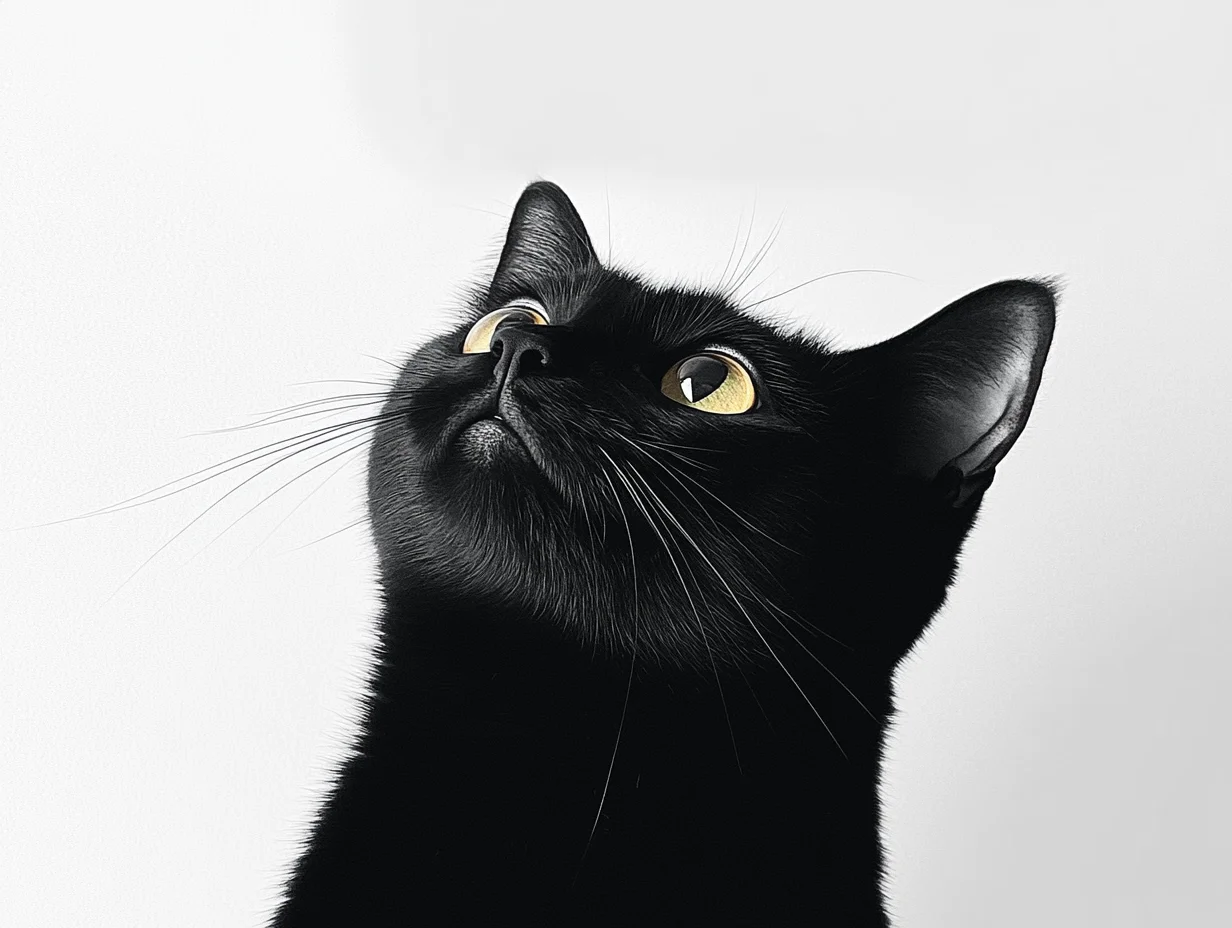
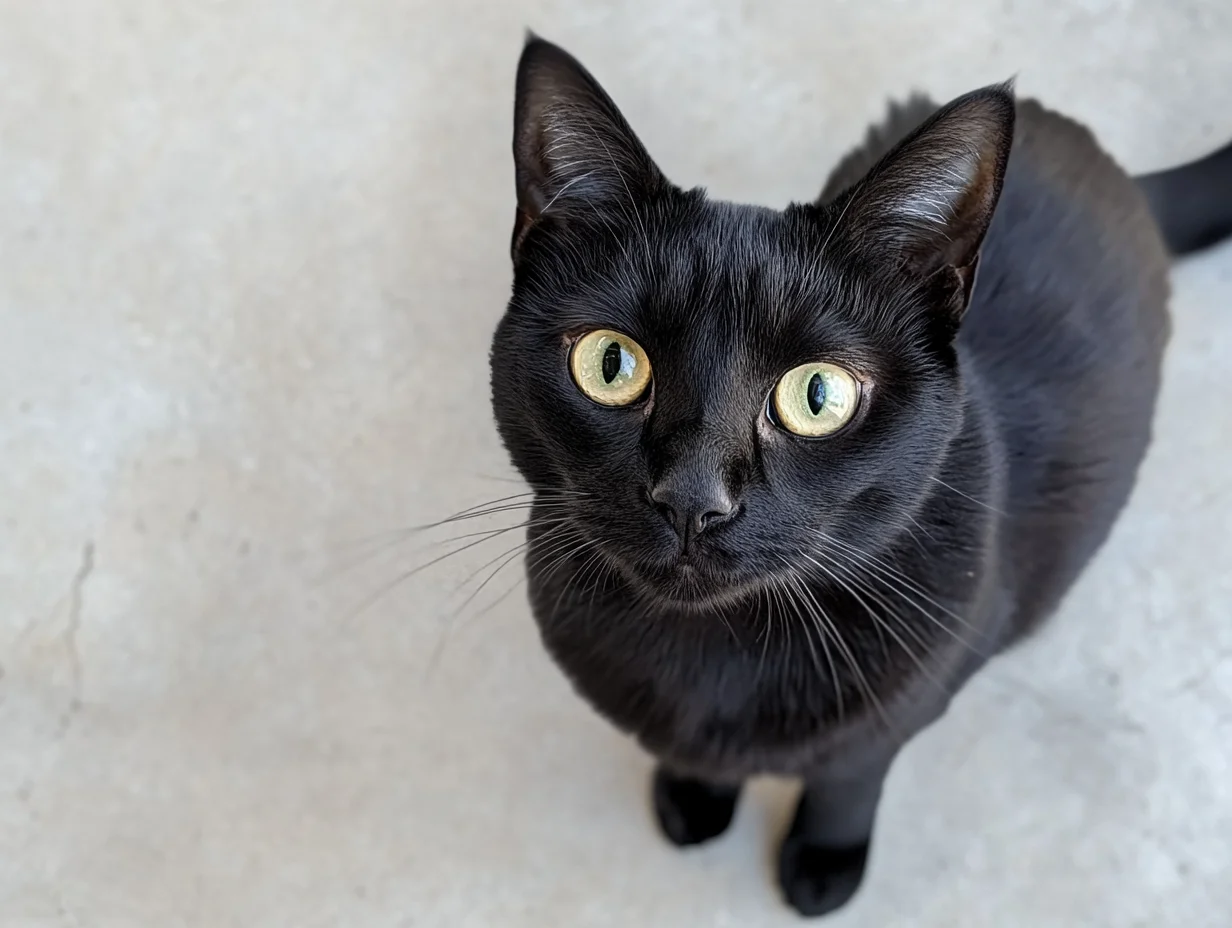
PromptFirst frameLast frameOutput video
Realistic style. A curious black kitten looks up at the sky. The camera starts at eye level and gradually rises until it captures the kitten’s curious gaze from above.
首帧图像
尾帧图像
  • Python SDK
  • Java SDK
  • curl
Requires DashScope Python SDK ≥ 1.25.8. Upgrade if needed.
import os
from http import HTTPStatus
from dashscope import VideoSynthesis
import dashscope

# China (Beijing) region. Replace {WorkspaceId} with your Bailian workspace ID. URLs vary by region. Get your region's URL: https://help.aliyun.com/en/model-studio/image-to-video-api-reference
dashscope.base_http_api_url = 'https://{WorkspaceId}.cn-beijing.maas.aliyuncs.com/api/v1'

# If you have not set an environment variable, replace the line below with: api_key="sk-xxx"
# API keys differ by region. Get your API key: https://help.aliyun.com/en/model-studio/get-api-key
api_key = os.getenv("DASHSCOPE_API_KEY")

def sample_async_call_kf2v():
    # Asynchronous call returns a task_id
    rsp = VideoSynthesis.async_call(api_key=api_key,
                                    model="wan2.2-kf2v-flash",
                                    prompt="Realistic style. A curious black kitten looks up at the sky. The camera starts at eye level and gradually rises until it captures the kitten’s curious gaze from above.",
                                    first_frame_url="https://wanx.alicdn.com/material/20250318/first_frame.png",
                                    last_frame_url="https://wanx.alicdn.com/material/20250318/last_frame.png",
                                    duration=5,  # Fixed at 5 seconds. Do not change.
                                    prompt_extend=True,
                                    watermark=True)
    print(rsp)
    if rsp.status_code == HTTPStatus.OK:
        print("task_id: %s" % rsp.output.task_id)
    else:
        print('Failed, status_code: %s, code: %s, message: %s' % (rsp.status_code, rsp.code, rsp.message))

    # Wait for asynchronous task to complete
    rsp = VideoSynthesis.wait(task=rsp, api_key=api_key)
    print(rsp)
    if rsp.status_code == HTTPStatus.OK:
        print(rsp.output.video_url)
    else:
        print('Failed, status_code: %s, code: %s, message: %s' % (rsp.status_code, rsp.code, rsp.message))

if __name__ == '__main__':
    sample_async_call_kf2v()

Use video effects

Supported model: wanx2.1-kf2v-plus. Upload only the first-frame image with a built-in effect template -- no prompt or last-frame needed. Parameters:
  • template: Required. Specify the effect name (e.g., mech1). Before calling the API, check the video effect list to confirm your model supports the effect -- unsupported effects cause failures.
  • first_frame_url: Required. Provide the first-frame image.
  • last_frame_url: Ignored. When using effects, this field has no effect. Leave it empty or omit it.
  • prompt: Ignored. When using effects, this field has no effect. Leave it empty or omit it.
First frameOutput video (with effect)
First-and-last-frame video generation effects demo
  • Python SDK
  • Java SDK
  • curl
Requires DashScope Python SDK ≥ 1.25.8. Upgrade if needed.
import os
from http import HTTPStatus
from dashscope import VideoSynthesis
import dashscope

# China (Beijing) region. Replace {WorkspaceId} with your Bailian workspace ID. URLs vary by region. Get your region's URL: https://help.aliyun.com/en/model-studio/image-to-video-by-first-and-last-frame-api-reference
dashscope.base_http_api_url = 'https://{WorkspaceId}.cn-beijing.maas.aliyuncs.com/api/v1'

# If you have not set an environment variable, replace the line below with: api_key="sk-xxx"
# API keys differ by region. Get your API key: https://help.aliyun.com/en/model-studio/get-api-key
api_key = os.getenv("DASHSCOPE_API_KEY")

def sample_async_call_kf2v():
    # Asynchronous call returns a task_id
    rsp = VideoSynthesis.async_call(api_key=api_key,
                                    model="wanx2.1-kf2v-plus",
                                    first_frame_url="https://ty-yuanfang.oss-cn-hangzhou.aliyuncs.com/lizhengjia.lzj/tmp/11.png",
                                    resolution="720P",
                                    template="mech1",
                                    watermark=True)
    print(rsp)
    if rsp.status_code == HTTPStatus.OK:
        print("task_id: %s" % rsp.output.task_id)
    else:
        print('Failed, status_code: %s, code: %s, message: %s' % (rsp.status_code, rsp.code, rsp.message))

    # Wait for asynchronous task to complete
    rsp = VideoSynthesis.wait(task=rsp, api_key=api_key)
    print(rsp)
    if rsp.status_code == HTTPStatus.OK:
        print(rsp.output.video_url)
    else:
        print('Failed, status_code: %s, code: %s, message: %s' % (rsp.status_code, rsp.code, rsp.message))

if __name__ == '__main__':
    sample_async_call_kf2v()

Input image

  • Number of images: One first-frame image and one last-frame image.
  • Input methods: Image URL, local file path, or Base64-encoded string.

Method 1: Image URL (HTTP API and SDK) Recommended

Path requirements differ by language:Python SDK: Supports absolute and relative paths.

Operating system

Input file path

Example (absolute path)

Example (relative path)

Linux / macOS

file://{absolute or relative path}

file:///home/images/test.png

file://./images/test.png

Windows

file://D:/images/test.png

file://./images/test.png

Java SDK: Supports absolute paths only.

Operating system

Input file path

Example (absolute path)

Linux / macOS

file://{absolute path}

file:///home/images/test.png

Windows

file:///{absolute path}

file:///D:/images/test.png

  • Example value: data:image/png;base64,iVBORw0KGgoAAAANSUhEUgAABDg...... (truncated for illustration only).
  • Format requirement: Must follow the format data:{MIME_type};base64,{base64_data}, where:
    • {base64_data}: The Base64-encoded string of the image file.
    • {MIME_type}: The media type of the image. It must match the file format.

      Image format

      MIME type

      JPEG

      image/jpeg

      JPG

      image/jpeg

      PNG

      image/png

      BMP

      image/bmp

      WEBP

      image/webp

Sample code: Multiple image input methods

Python SDK
import base64
import os
from http import HTTPStatus
from dashscope import VideoSynthesis
import mimetypes
import dashscope

# The URL below is for the China (Beijing) region. Replace {WorkspaceId} with your actual workspace ID. URLs vary by region.
dashscope.base_http_api_url = 'https://{WorkspaceId}.cn-beijing.maas.aliyuncs.com/api/v1'

# If you have not configured an environment variable, replace the following line with your Model Studio API key: api_key="sk-xxx"
# API keys differ by region. To get an API key, see https://help.aliyun.com/en/model-studio/get-api-key
api_key = os.getenv("DASHSCOPE_API_KEY")

# --- Helper function for Base64 encoding ---
# Format: data:{MIME_type};base64,{base64_data}
def encode_file(file_path):
    mime_type, _ = mimetypes.guess_type(file_path)
    if not mime_type or not mime_type.startswith("image/"):
        raise ValueError("Unsupported or unrecognized image format")
    with open(file_path, "rb") as image_file:
        encoded_string = base64.b64encode(image_file.read()).decode('utf-8')
    return f"data:{mime_type};base64,{encoded_string}"

"""
Image input methods:
Choose one of the following.

1. Public URL - Suitable for publicly accessible images.
2. Local file - Suitable for local development and testing.
3. Base64 encoding - Suitable for private images or when encrypted transmission is required.
"""

# [Method 1] Use a public image URL
first_frame_url = "https://wanx.alicdn.com/material/20250318/first_frame.png"
last_frame_url = "https://wanx.alicdn.com/material/20250318/last_frame.png"

# [Method 2] Use a local file (supports absolute and relative paths)
# Format: file:// + file path
# Example (absolute path):
# first_frame_url = "file://" + "/path/to/your/first_frame.png"  # Linux/macOS
# last_frame_url = "file://" + "C:/path/to/your/last_frame.png"  # Windows
# Example (relative path):
# first_frame_url = "file://" + "./first_frame.png"              # Replace with your actual path.
# last_frame_url = "file://" + "./last_frame.png"                # Replace with your actual path.

# [Method 3] Use a Base64-encoded image
# first_frame_url = encode_file("./first_frame.png")            # Replace with your actual path.
# last_frame_url = encode_file("./last_frame.png")              # Replace with your actual path.

def sample_sync_call_kf2v():
    print('please wait...')
    rsp = VideoSynthesis.call(api_key=api_key,
                              model="wan2.2-kf2v-flash",
                              prompt="Realistic style, a small black cat looks up at the sky curiously, the camera gradually rises from eye level, and finally captures its curious gaze from a top-down view.",
                              first_frame_url=first_frame_url,
                              last_frame_url=last_frame_url,
                              resolution="720P",
                              prompt_extend=True)
    print(rsp)
    if rsp.status_code == HTTPStatus.OK:
        print(rsp.output.video_url)
    else:
        print('Failed, status_code: %s, code: %s, message: %s' %
              (rsp.status_code, rsp.code, rsp.message))

if __name__ == '__main__':
    sample_sync_call_kf2v()

Output video

  • Number of videos: One.
  • Specifications: Specifications vary by model. See Video specifications.
  • URL expiration: 24 hours.
  • Dimensions: Determined by the first-frame image and the resolution setting.
    • The model preserves the first-frame's aspect ratio and scales total pixel count to the target. Output dimensions are adjusted automatically to be divisible by 16 (encoding requirement).
    • Example: 750×1000 input (3:4) with resolution="720P" (target ≈920K pixels) may output 816×1104 (≈0.739 ratio, ≈900K pixels, both divisible by 16).

Billing and rate limiting

API reference

Image-to-video - first and last frames - API reference

FAQ

Q: How do I generate a video with a specific aspect ratio (such as 3:4)?

A: The API doesn't support direct aspect ratio control -- only resolution. The resolution parameter controls pixel count, not aspect ratio. The model preserves the first-frame's aspect ratio (first_frame_url) with minor adjustments for encoding (dimensions must be multiples of 16). For 3:4 video, upload a 3:4 first-frame image.
Example: 750×1000 input (3:4) with resolution="720P" (target ≈920K pixels) may output 816×1104 (≈0.739 ratio, ≈900K pixels, both divisible by 16).

Q: Why do I get a “url error, please check url!” error when running the SDK code?

A: Ensure your SDK version meets the minimum requirement: DashScope Python SDK ≥ 1.25.8 or DashScope Java SDK ≥ 2.22.6. Older versions may show "url error, please check url!" errors. Upgrade the SDK.
Token Plan
Model Playground
Fine-tuning
Model Compression
Statistics and Monitoring
Support